
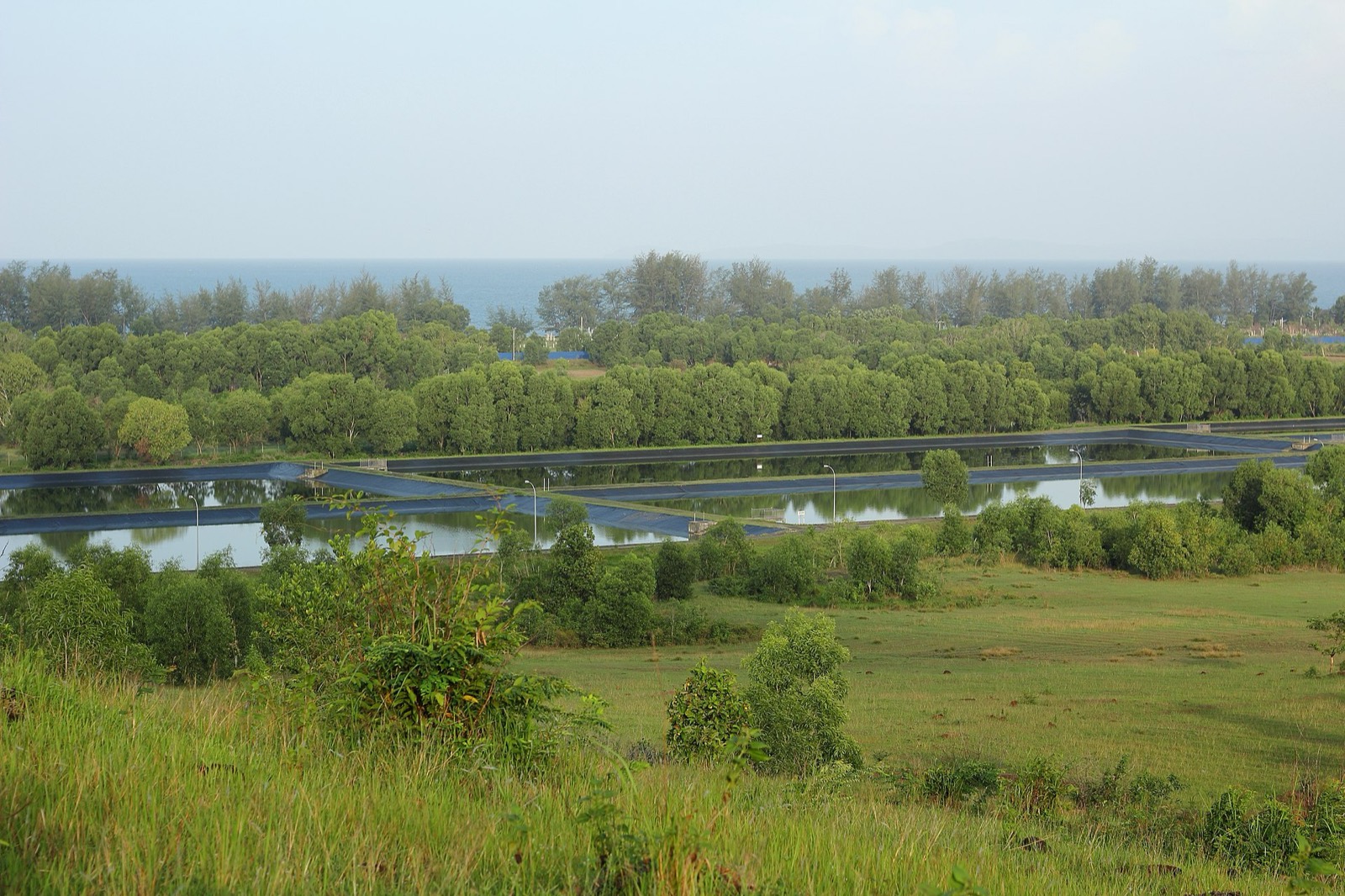
Industrial chemical units in Dahej, Jhagadia, and Ankleshwar must achieve COD < 250 mg/L before pumping effluent into the 40 km offshore marine diffusion network.
In brief
On October 4, 2026, the Gujarat Pollution Control Board (GPCB) notified stringent revised pre-treatment discharge benchmarks for industrial chemical, dye, and bulk drug manufacturing units connected to common deep-sea marine effluent pipelines in the Gulf of Khambhat. Under the new mandate, chemical facilities in Dahej, Jhagadia, and Ankleshwar must install advanced secondary and tertiary oxidation systems to reduce COD below 250 mg/L and ammoniacal nitrogen below 30 mg/L before feeding into regional submarine pipelines.
The industrial corridor of southern Gujarat, stretching across Ankleshwar, Panoli, Jhagadia, and Dahej, forms the heart of India's chemical and dye manufacturing industry. To solve inland river pollution, the state government built high-capacity regional pipelines that pump treated industrial effluent 40 kilometers out into deep marine waters in the Gulf of Khambhat.
Dilution is No Longer the Solution
Historically, coastal marine discharge standards were significantly more lenient than inland surface water norms. Industrial units were allowed to discharge effluent with chemical oxygen demand (COD) up to 1,000 mg/L, on the assumption that massive marine tidal currents would dilute the organic waste harmlessly.
Recent marine ecological studies by the National Institute of Oceanography (NIO) revealed persistent hypoxia (dissolved oxygen < 2 mg/L) and severe heavy metal accumulation in coastal fisheries near deep-sea diffuser outfalls. In response, GPCB slashed the allowable marine COD limit from 1,000 mg/L down to a strict 250 mg/L.
Engineering Upgrades Required Across Chemical Plants
To achieve a 75% reduction in effluent COD, over 400 chemical and dye units must upgrade their on-site effluent treatment plants. Facilities are installing two-stage moving bed biofilm reactors (MBBR) for biological COD removal followed by catalytic Fenton oxidation or tertiary ozone polishing to shatter refractory aromatic rings.
All industrial units connected to the Dahej and Jhagadia deep-sea lines must commission upgraded secondary treatment trains by March 31, 2027, or face physical pipeline valve isolation.
The regulatory tightening signals a nationwide shift: coastal marine environments will no longer serve as convenient disposal sinks for untreated industrial chemical waste.
Why it matters
Ends the historical practice where chemical manufacturing units relied on marine sea dilution rather than on-site biological treatment to meet environmental norms.
Sources
Gujarat Pollution Control Board Notification & Marine Environmental Policy (October 4, 2026)Read original ↗GPCB Coastal Marine Environmental Quality Standards↗Rispri Labs Chemical ETP Upgrades & Biological Nitrification↗Found an error? See the Corrections Policy.
Image: Municipal & Industrial Biological Aeration Wastewater Treatment Facility