
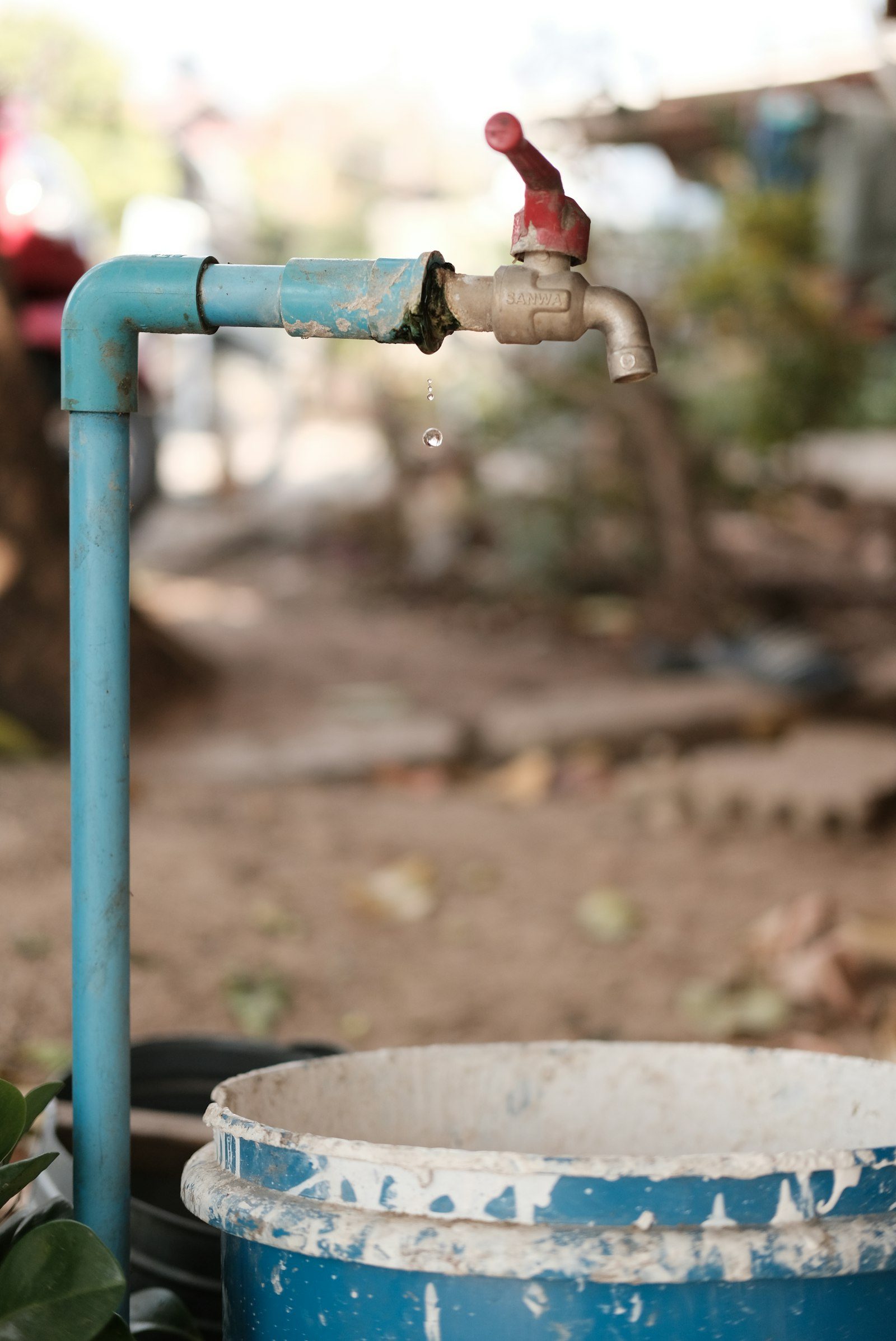
At the first JJM 2.0 regional conference in Tiruchirappalli, Jal Shakti Minister C R Paatil said central funding will depend on reforms, as the focus moves from building pipes to reliable daily supply.
In brief
The first of five regional conferences on Jal Jeevan Mission 2.0 was held in Tiruchirappalli on 12 and 13 November 2026 with seven southern states and union territories. Union Jal Shakti Minister C R Paatil asked states to finish remaining works by December 2027 where feasible, a year ahead of the approved December 2028 deadline, and said central support for eligible works will depend on reforms in operation and maintenance and accountability.
The Centre has started taking Jal Jeevan Mission 2.0 to the states. The first regional conference was held in Tiruchirappalli, Tamil Nadu, on 12 and 13 November 2026, with officials from Tamil Nadu, Karnataka, Kerala, Andhra Pradesh, Telangana, Puducherry and Lakshadweep. It followed the Departmental Summit on Water held in September.
From building pipes to running them
Union Jal Shakti Minister C R Paatil said the mission must move from building infrastructure to assured and sustainable drinking water service. According to PTI, he said the Centre will keep funding eligible works only if states carry out the prescribed reforms on operation and maintenance, institutional accountability and the long-term functioning of rural water systems. He also asked states to prioritise groundwater recharge, rainwater harvesting and community-led conservation. Tap connections have reached about 16 crore rural households since the mission began in 2019.
Ashok K K Meena, Secretary of the Department of Drinking Water and Sanitation, said this was the first of five regional conferences. They will feed into a national review in February 2027. Joint Secretary D Senthil Pandian listed the reforms states must deliver before then: formal handover of schemes to gram panchayats, operation and maintenance policies, training for Village Water and Sanitation Committees, district technical units, water quality monitoring, digital mapping on the Sujalam Bharat platform and source sustainability plans.
Handing schemes to villages
On the second day, five teams inspected headworks at Vadugakudi, Thiruchinampoondi, Thindukarai, Nochiyam and Keelaanbil, and Jal Arpan Diwas was held in five villages, where scheme documents and as-built drawings were formally handed to gram panchayats. Meena said Jal Arpan should not be seen as a ceremony but as the start of a lasting partnership, and that the long-term goal is 24x7 safe water from household taps. At Palamaneri, women from a Sujalam Shakti group demonstrated water testing with field test kits.
Mission Director Kamal Kishore Soan called for regular assessment of water sources, better use of Finance Commission grants and more own-source revenue for panchayats to pay for maintenance. Tamil Nadu Minister N Anand described the state's work on tank cleaning, community water testing and collecting water charges. The National Institute of Ocean Technology also showed its low temperature thermal desalination plants, eight of which run in Lakshadweep.
Why it matters
JJM has connected about 16 crore rural households since 2019. Phase 2.0 shifts the test from how many taps exist to whether they give safe water every day, which puts operation, maintenance and water quality testing at the centre of funding decisions.
Sources
Nagaland Post (PTI): CR Patil asks states to complete Jal Jeevan Mission works by Dec 2027 (13 November 2026)Read original ↗The News Mill (ANI): Regional conference on Jal Jeevan Mission 2.0 concludes with field visits in Tamil Nadu (14 November 2026)↗Found an error? See the Corrections Policy.
Image: Marco J Haenssgen / Unsplash