
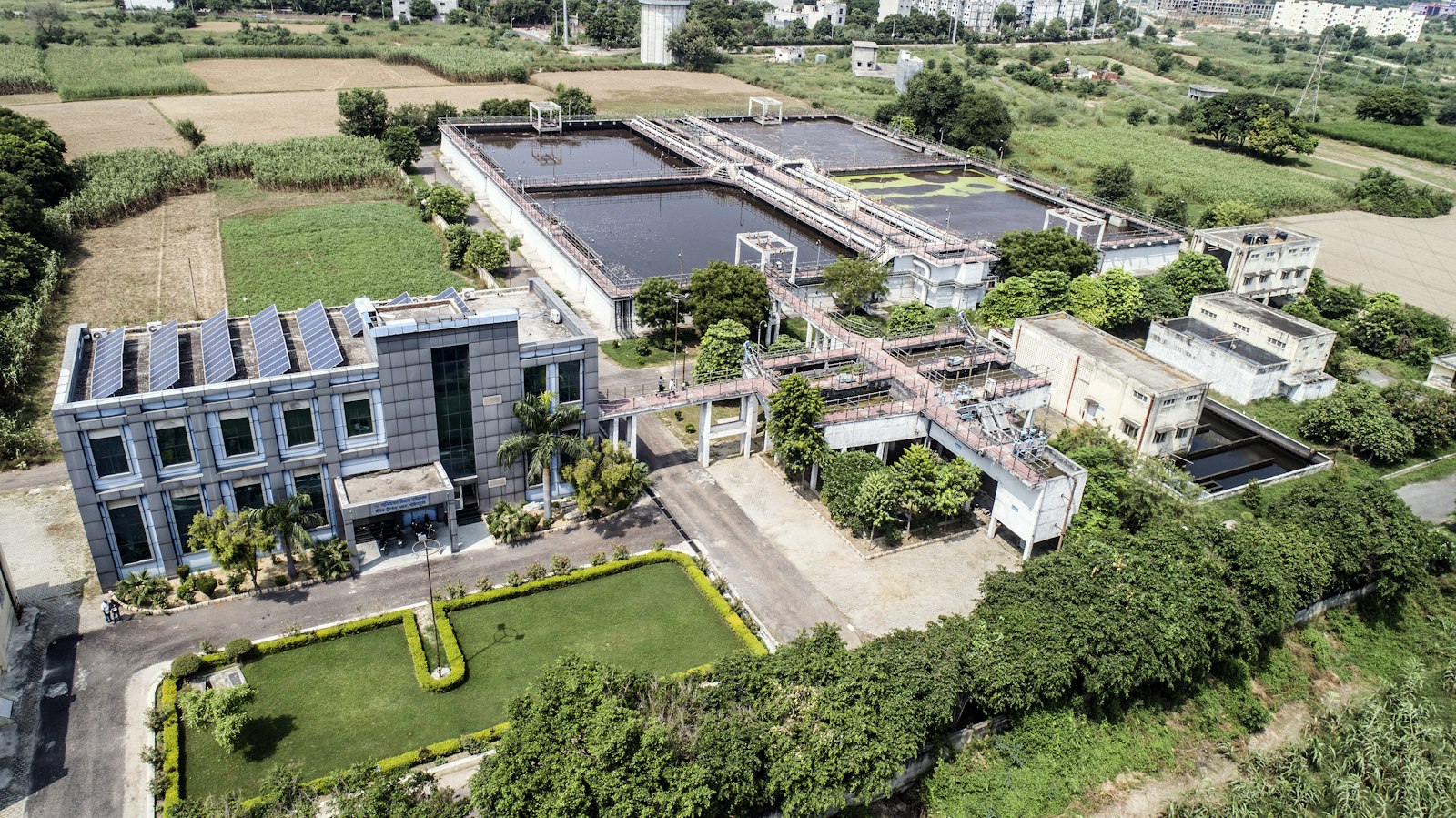
Industry consent to operate would be linked to buying treated water, and thermal power plants within 50 km of a sewage plant would have to use it.
In brief
Madhya Pradesh has released a draft State Level Policy for Recycle and Reuse of Treated Waste Water, 2026, for public consultation. It sets reuse targets of 20% by 2027, 30% by 2030 and 50% by 2037, and would require thermal power plants, construction sites and large industrial users near a supply to use treated water. It is not yet in force.
Madhya Pradesh has proposed to make the use of treated wastewater compulsory for its biggest non-drinking users. Chief Minister Mohan Yadav released the draft State Level Policy for Recycle and Reuse of Treated Waste Water, 2026, for public consultation at the Urban Growth Conclave 2.0 in Indore on 28 October 2026, Ground Report reported on 4 November. It is still a draft and has not come into force.
Who would have to use it
Thermal power plants within 50 km of a sewage treatment plant would have to use treated water for non-potable purposes, building on the Centre's 2016 tariff policy. Construction sites within 5 km of a plant or a treated-water filling station would have to use it, delivered by tanker at fixed charges. New industrial estates, new units in Special Investment Regions and large units using more than 10 kilolitres of fresh water a day for non-potable purposes would have to use it where technically suitable and viable. Industrial consent to operate would be linked to buying treated water.
No Freshwater Zones and pricing
A high-powered committee chaired by the chief secretary could declare No Freshwater Zones, allocate supplies and penalise continued fresh water use where treated water is available. In water-stressed areas, borewells used for landscaping could be sealed. Treated water would be kept cheaper than fresh water, with higher rates for industrial and commercial users, and would be graded into six quality categories, A to F. New townships may need dual plumbing so treated water can flush toilets.
The gap the draft has to close
The report cites sewerage schemes in only 64 of the state's 418 urban local bodies. Operating plants have an installed capacity of about 1,656 MLD, of which about 1,105 MLD is used, and existing reuse is mostly limited to gardening, parks and road cleaning. The state's 2017 policy already called for reuse. Examples so far include Gwalior, where treated water feeds an irrigation canal network, and Sagar, which has an agreement to supply 10 MLD to the state's industrial development corporation.
Proposed funding includes AMRUT 2.0, Namami Gange, state grants, CSR funds and viability gap funding, along with a dedicated treated water fund. Safeguards include red-coded pipes and labels saying the water is not fit for drinking. Ground Report did not link to the draft text, so details here rest on its account and could change after consultation.
Why it matters
If adopted, reuse in Madhya Pradesh would move from advice to a condition of operating for larger water users. Industries there should map their non-potable demand and distance from sewage treatment plants now, while the draft is still open for comment.
Sources
Ground Report: Madhya Pradesh draft policy seeks mandatory reuse of treated wastewater (4 November 2026)Read original ↗Madhya Pradesh State Level Policy on wastewater recycle and reuse, 2017 (PDF)↗Found an error? See the Corrections Policy.
Image: Subhash Chand / Unsplash