
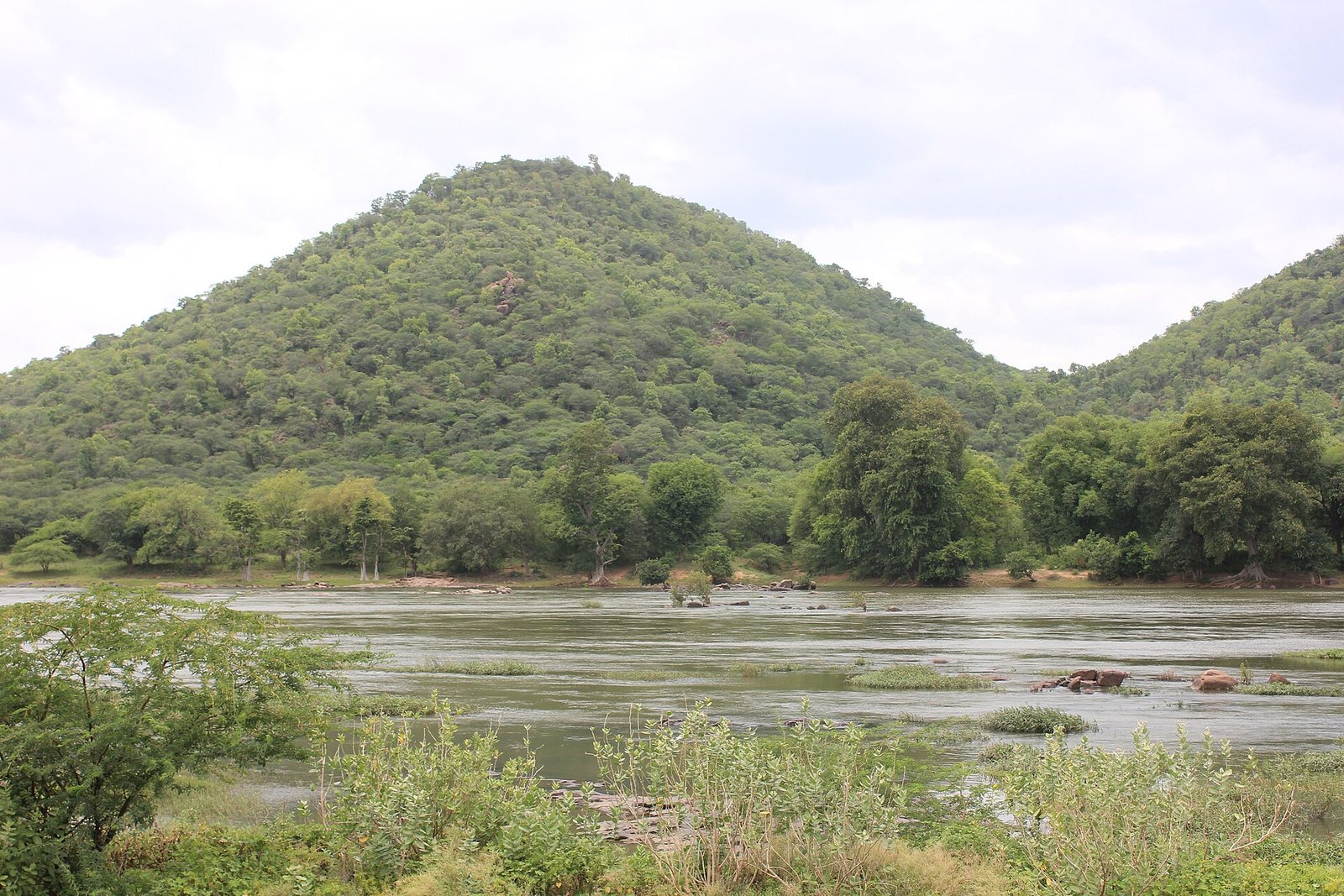
The bench dismissed Tamil Nadu's applications for a backlog release, while Karnataka argued that a drought year leaves little to spare.
In brief
On Friday, 20 November 2026, the Supreme Court dismissed Tamil Nadu's pleas seeking a direction to Karnataka to release 11 TMC of Cauvery water. Tamil Nadu said the water was a backlog as on 7 October; Karnataka said it was a rain-deficit year and denied falling short of the authority's orders.
Tamil Nadu has lost its attempt to get an additional Cauvery release ordered by the country's top court. On Friday, 20 November 2026, a Supreme Court bench of Justices Vikram Nath and Aparesh Kumar Singh dismissed two pleas by the state seeking a direction to Karnataka to release 11 thousand million cubic feet (TMC) of water. The bench said a third application, filed to bring more documents on record, would also be dismissed. The reports reviewed do not set out the court's reasoning.
What Tamil Nadu asked for
The state wanted the backlog of 11 TMC as on 7 October cleared immediately, and sought delivery at the rate of 1.3 TMC a day over 10 days at Billigundulu, the measuring station on the interstate border. It had approached the court on 3 August, and the bench reserved its decision on the two release applications on 12 October.
Tamil Nadu argued that releases ordered by the Cauvery Water Management Authority, 4,000 cusecs for 15 days from 24 September and then 3,000 cusecs from 9 October, were grossly inadequate. It also said Karnataka had not met even those directions, citing a shortfall of 0.94 TMC between 24 September and 7 October. Its counsel said farmers could not wait another year and asked for at least an interim arrangement.
Karnataka's answer
Karnataka denied the claims and said it had complied with the authority's orders. It told the court that this was a very difficult, rain-deficit year, with several areas declared drought-affected, and that water had to be conserved so that drinking water supply was not affected. Its counsel added that Tamil Nadu benefits from the northeast monsoon in November, which refills its reservoirs and does not help Karnataka.
The missing distress formula
A recurring point in Tamil Nadu's plea was that the authority, eight years after it was set up, has not framed a distress formula: a clear rule for dividing water when there is not enough to meet normal shares. The state said it was only asking for its proportionate share of actual flows and that the whole burden of a bad year could not be passed to the downstream state.
The ruling settles these applications. It does not end the wider dispute or the authority's role in setting releases through the season.
Why it matters
Tamil Nadu told the court that no agreed formula exists for sharing shortage in a bad year. Until one does, each dry season is likely to be argued release by release.
Sources
Business Standard: Cauvery dispute, SC dismisses Tamil Nadu's pleas for 11 TMC water releaseRead original ↗Deccan Herald: Supreme Court dismisses Tamil Nadu's pleas seeking release of 11 TMC water from Cauvery river↗The main source was published on 20 November 2026.
Found an error? See the Corrections Policy.