
All industrial process water audits, thermal cooling blowdown tests, and employee canteen drinking water analyses must carry serialized NABL-authenticated QR verification codes.
In brief
Expanding upon its drinking water compliance initiative, the Ministry of Jal Shakti issued an executive order on October 16, 2026, extending the mandatory National Water Quality Registry (NWQR) to cover all industrial utility water. Testing reports for high-pressure boiler feed water, cooling tower blowdown discharges, and workplace canteen supplies must now feature serialized, cryptographically secure QR codes.
India's Ministry of Jal Shakti has expanded the scope of the National Water Quality Registry (NWQR), making digital verification compulsory for industrial utilities. Under the revised directive, all environmental and metallurgical testing certificates generated for factory boilers, cooling systems, and commercial premises must link directly to the central cloud repository.
Preventing Fraudulent Industrial Safety Documentation
Industrial boiler explosions and heat exchanger failures frequently trace back to unmonitored silica scaling, dissolved oxygen corrosion, or hardness slippage documented on fraudulent testing certificates issued by non-accredited entities. The NWQR mandate ensures that every report carries a tamper-evident QR code embedding the testing laboratory's valid NABL scope and analyst digital signatures.
Factory inspectors and pollution control board officers can scan report QR codes via mobile terminals during statutory audits, instantly viewing raw analytical data, sample chain-of-custody logs, and instrumentation calibration records.
Industrial plants failing to produce verifiable NWQR-registered water reports during annual factory inspectorate reviews face mandatory reinspection fees and potential suspension of boiler operating licenses.
The ministry confirmed that the registry integration will be fully synchronized with state pollution control portals by December 2026.
Why it matters
Eliminates fraudulent testing certificates in industrial process safety audits and ensures strict verification of blowdown environmental compliance during regulatory inspections.
Sources
Ministry of Jal Shakti Department of Water Resources Notification (October 16, 2026)Read original ↗Ministry of Jal Shakti Industrial Water Compliance Portal↗Rispri Labs NABL Industrial Utility Water Quality Testing↗Found an error? See the Corrections Policy.
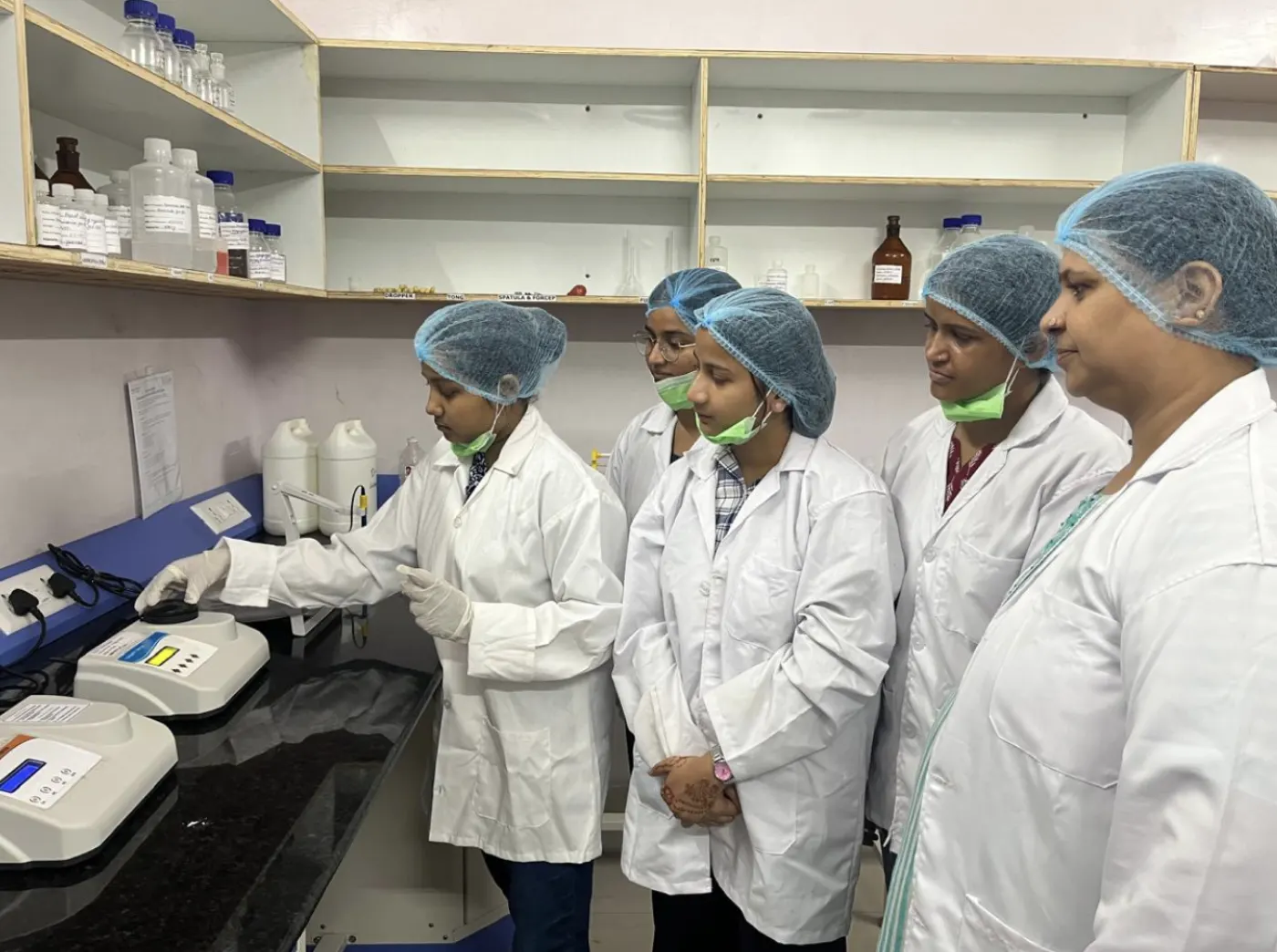
Image: Analytical Water Chemistry & Certified NABL Testing Laboratory (Rispri Labs)