
New centralized portal links all certified drinking water testing reports to tamper-proof QR codes, eliminating fraudulent compliance certificates across commercial and municipal facilities.
In brief
On October 9, 2026, the Department of Drinking Water and Sanitation under the Ministry of Jal Shakti rolled out the National Water Quality Registry (NWQR). The cloud platform mandates that all testing reports for drinking water, commercial packaging, and industrial canteen supplies conducted by NABL-accredited environmental laboratories carry a serialized, digitally verifiable QR code linked to national standards.
The Ministry of Jal Shakti has officially inaugurated the National Water Quality Registry (NWQR), a centralized regulatory database designed to authenticate every commercial and institutional drinking water quality test issued across India.
Combating Fake Water Quality Certificates
During random market verifications conducted in 2025, regulatory squads discovered that over 22% of commercial drinking water compliance certificates presented by hotels, packaging units, and industrial facilities were either issued by unaccredited 'fly-by-night' entities or contained fabricated parameter readings. Under the new protocol, only laboratories holding active NABL accreditation with verified scopes under IS 10500:2012 can upload official results to the portal.
Each test report automatically receives a cryptographic hash and an embossed dynamic QR code. Building inspectors, corporate auditors, and health authorities can instantly scan the report with any smartphone to verify the testing laboratory's credentials, testing equipment calibration status, and exact analytical values.
Action Required for Industrial HR & EHS Departments
Facilities operating employee canteens, residential townships, or packaged drinking water dispensers must update their testing vendor agreements. Routine potability certificates submitted for factory compliance or ISO 14001 certification without NWQR verification will be summarily rejected by state inspection officers starting November 1, 2026.
Drinking water verification must include all mandatory physical-chemical parameters (pH, TDS, Total Hardness, Turbidity, Fluoride, Nitrate, Heavy Metals) alongside microbiological pathogen tests (E. coli, Total Coliform) per BIS 10500.
The ministry confirmed that public municipal water supply testing data will also be progressively integrated into the platform, providing citizens with transparent, locality-level drinking water quality maps.
Why it matters
Protects public health and corporate accountability by ensuring drinking water quality parameters cannot be falsified or issued by uncertified testing outfits.
Sources
Press Information Bureau & Ministry of Jal Shakti Notification (October 9, 2026)Read original ↗Ministry of Jal Shakti National Water Quality Registry Portal↗Rispri Labs NABL Accredited Water & Effluent Testing Laboratory↗Found an error? See the Corrections Policy.
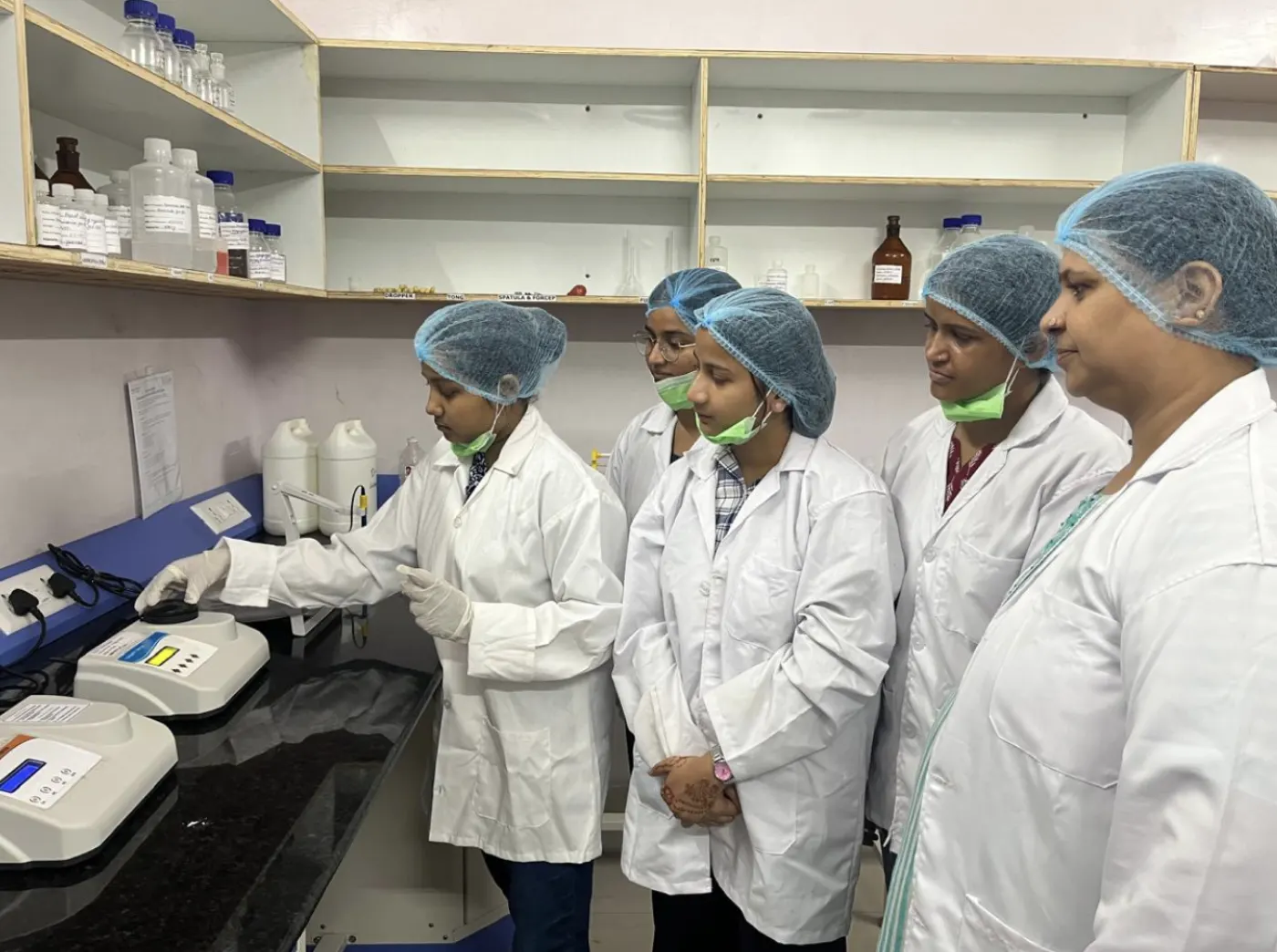
Image: Analytical Water Chemistry & Certified NABL Testing Laboratory (Rispri Labs)