
Coal-fired thermal generation stations within 50 km of urban sewage treatment plants face strict deadlines to cease raw canal withdrawals and transition cooling systems to treated municipal effluent.
In brief
On October 3, 2026, the Ministry of Power in coordination with the Ministry of Jal Shakti notified comprehensive enforcement rules under the National Water Policy, directing all coal-fired thermal power generation plants located within a 50-kilometer radius of municipal sewage treatment plants (STPs) to source 100% of their cooling tower make-up water from tertiary-treated municipal wastewater by December 2027.
Thermal power generation is among the most water-intensive sectors of the modern economy. Evaporative cooling towers in coal-fired power stations consume vast quantities of freshwater to condense low-pressure steam exiting steam turbines, historically drawing millions of liters from vital irrigation canals and rivers.
The 50 km Mandatory Offtake Radius
Under the new binding framework jointly notified by the Ministry of Power and the Ministry of Jal Shakti, any thermal generation station located within 50 km of an urban sewage treatment plant (STP) must cease raw freshwater canal withdrawal for cooling make-up. Plants must enter into long-term tripartite offtake agreements with municipal corporations to purchase treated urban sewage.
While thermal power executives historically cited concerns regarding biological biofouling and ammonia corrosion in condenser tubes, modern tertiary polishing systems—combining disc filtration, ultrafiltration (UF), and low-pressure reverse osmosis—deliver treated effluent with BOD < 5 mg/L and near-zero ammonia, fully protecting cooling metallurgy.
Tariff Restructuring and Municipal Revenue
The framework caps municipal reclaimed water tariffs at 60% of the commercial groundwater cess, providing urban local bodies with stable, multi-decade revenue streams while assuring power utilities of guaranteed water volume even during peak summer droughts.
Thermal stations that fail to commission tertiary offtake pipelines by December 31, 2027, will face progressive freshwater withdrawal cess penalties scaling to ₹250 per cubic meter.
The policy transforms urban wastewater from an environmental disposal problem into a strategic national energy asset.
Why it matters
Conserves over 3,500 million liters per day of fresh river and canal water for domestic agricultural and drinking use, establishing industrial-municipal water circularity.
Sources
Joint Press Release: Ministry of Power & Ministry of Jal Shakti (October 3, 2026)Read original ↗Ministry of Power Thermal Generation Guidelines↗Rispri Labs Industrial Tertiary Water Treatment & Cooling Audits↗Found an error? See the Corrections Policy.
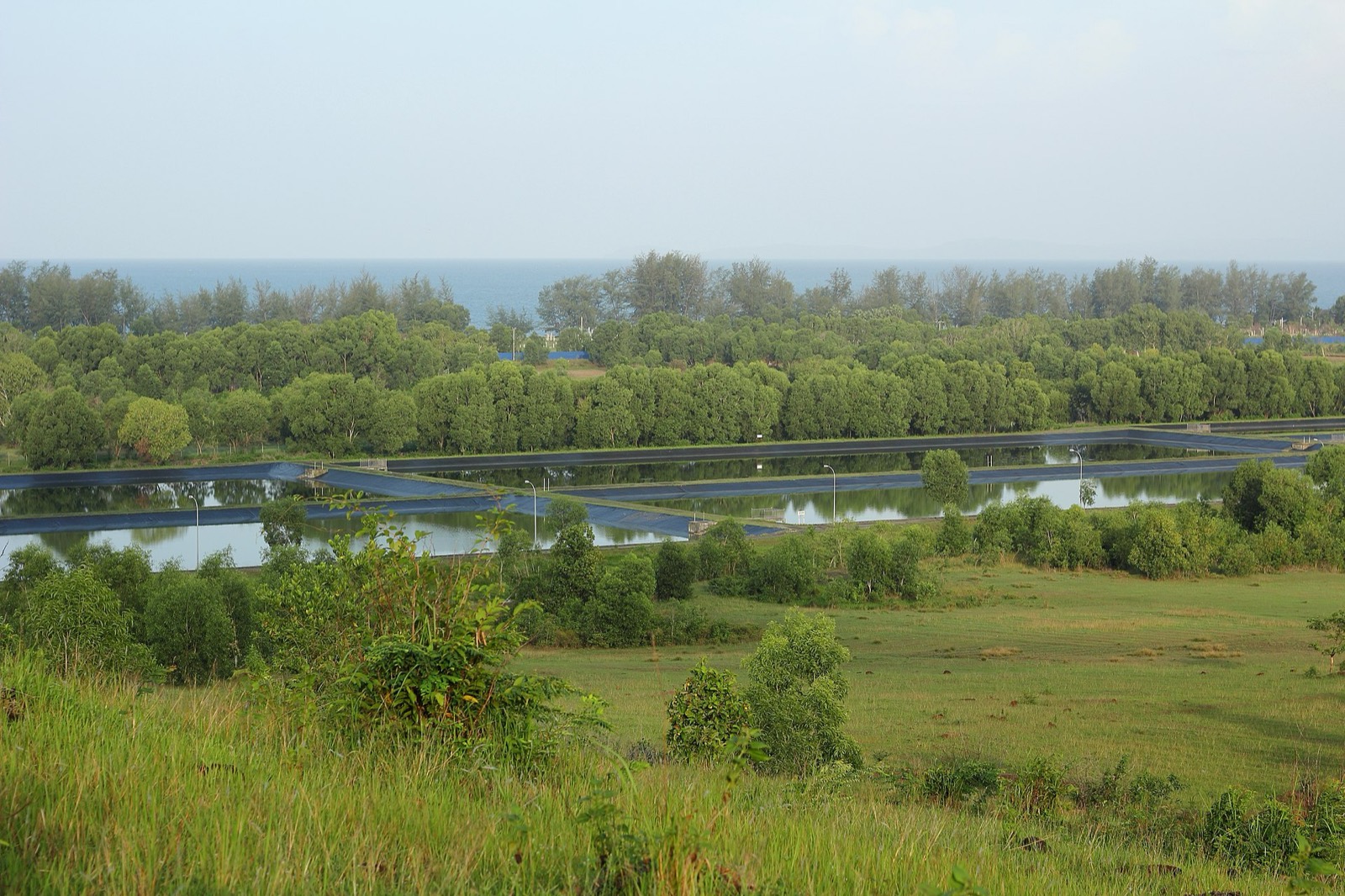
Image: Municipal & Industrial Biological Aeration Wastewater Treatment Facility