
Updated Ministry framework sets mandatory ZLD mandates for chemical, textile, and electroplating clusters generating over 50 KLD effluent, requiring RO recovery ≥ 90% and MVR crystallization.
In brief
The Ministry of Environment, Forest and Climate Change (MoEFCC) has notified comprehensive 2026 guidelines for Zero Liquid Discharge (ZLD) systems across critical industrial clusters in Gujarat, Maharashtra, Tamil Nadu, and Uttar Pradesh. The rules set binding benchmarks for high - recovery Reverse Osmosis (RO) and Mechanical Vapor Recompression (MVR) evaporators to eliminate toxic liquid discharge into natural aquatic ecosystems.
There's a specific number that now decides whether a textile, pharma or electroplating unit needs a full Zero Liquid Discharge system: 50 kilolitres of effluent a day. Cross it in one of India's most water-stressed industrial clusters - Gujarat, Maharashtra, Tamil Nadu, Uttar Pradesh - and MoEFCC's 2026 National ZLD guidelines make ZLD non-negotiable, not aspirational.
Mandatory ZLD Thresholds & Technology Benchmarks
The framework is specific about how you get there, too. Primary RO has to recover 80-85% of the feed, with secondary high-pressure RO layered on top to push the aggregate permeate recovery to 90% or higher before the leftover reject ever reaches a thermal stage.
Thermal Evaporation and Solid Salt Management
That remaining sliver - roughly 10% of the original volume, but now heavily concentrated - goes to MVR or MEE evaporators paired with centrifuges or spray dryers, and the guidelines close a loophole that's been quietly used for years: unlined solar evaporation ponds for storing liquid reject are now explicitly prohibited. The crystallised salt residue instead gets tracked on a Form 10 hazardous waste manifest all the way to an authorised TSDF.
Mass - Balance Audits & Real - Time Flow Telemetry
To make sure none of this gets routed around, IoT flow meters go on at every checkpoint that matters - raw effluent inlet, RO permeate outlet, evaporator condensate return, salt output weighbridge - all reporting live to state servers. For clusters along the Ganga, Yamuna and Damodar specifically, that leaves very little room for the old workaround of an unmonitored bypass line. The practical question for affected units now is retrofit timeline, not whether to comply.
Why it matters
Textile dyeing, pharmaceutical synthesis, and chemical manufacturing units operating in critical river basins (Ganga, Yamuna, Damodar) generating over 50 KLD effluent must achieve minimum 90% permeate recovery, converting remaining concentrated brine into solid salt crystals. Non - compliant units face immediate power disconnection and heavy environmental compensation levies.
Sources
Ministry of Environment, Forest and Climate Change (MoEFCC) Gazette NotificationRead original ↗Central Pollution Control Board ZLD Technical Guidelines↗National Green Tribunal Compliance Monitoring Bench↗Found an error? See the Corrections Policy.
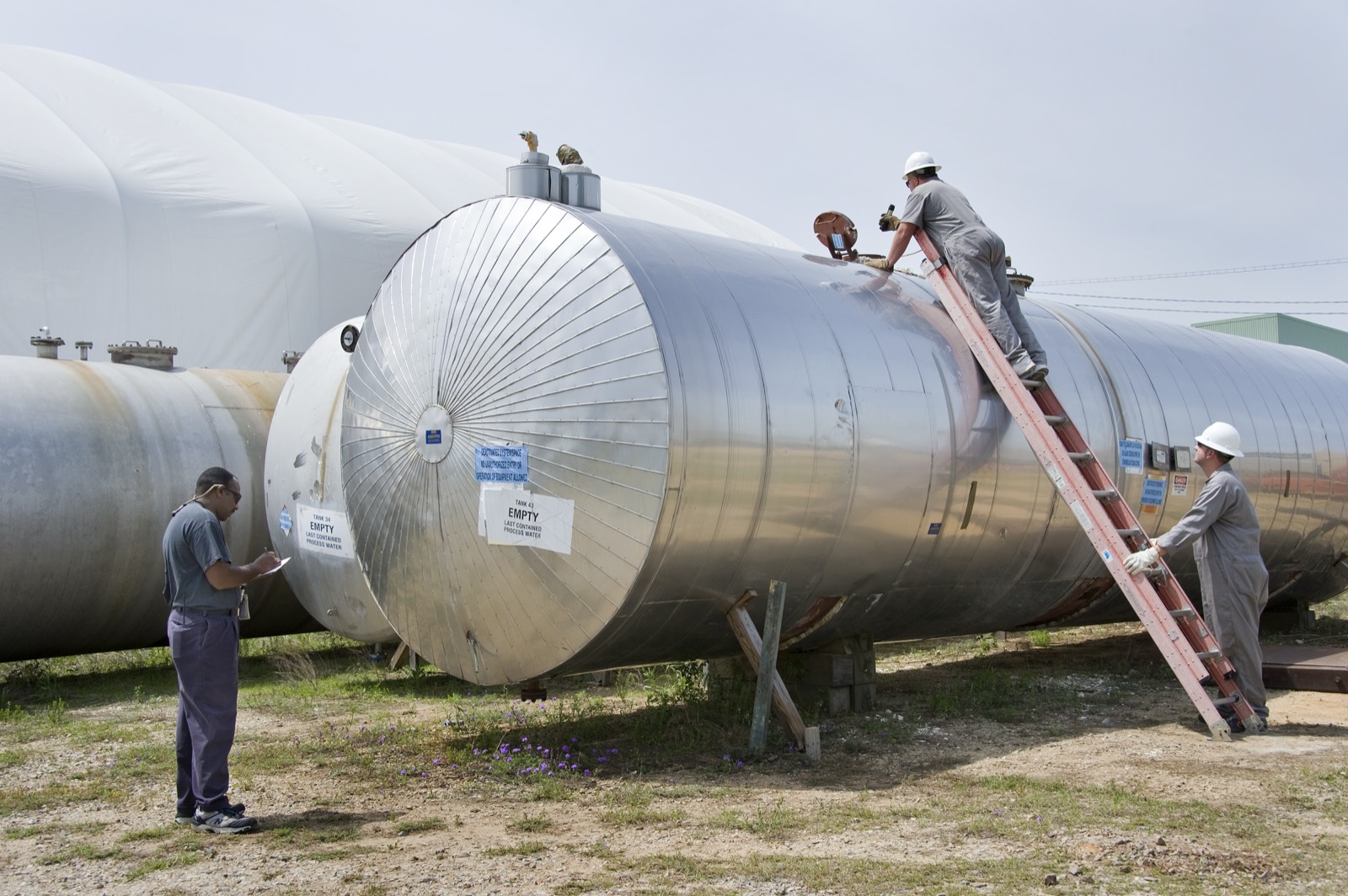
Image: Industrial Chemical Processing & Zero Liquid Discharge Facility