
New statutory limits mandate Adsorbable Organic Halides (AOX) < 1.0 mg/L and Bioassay toxicity testing with 90% fish survival over 96 hours for all pharma industrial discharges.
In brief
On October 15, 2026, the Ministry of Environment, Forest and Climate Change (MoEFCC) notified revised statutory effluent discharge standards specifically for synthetic organic chemicals and bulk drug manufacturing units. The standards introduce strict limits on Adsorbable Organic Halides (AOX < 1.0 mg/L), bioassay toxicity requirements (90% fish survival over 96 hours), and mandatory pre-treatment of recalcitrant active pharmaceutical ingredient (API) streams.
The Ministry of Environment, Forest and Climate Change (MoEFCC) has formally gazetted revised environmental standards governing synthetic organic chemical industries and bulk drug manufacturing complexes. The rules address growing concerns over non-biodegradable halogenated organics and active pharmaceutical residues entering surface water bodies.
Mandatory Segregation of High-COD and Halogenated Streams
Under the new notification, chemical manufacturers can no longer combine concentrated process mother liquors with low-strength wash water. High-COD, high-TDS streams must undergo dedicated on-site pre-treatment—such as solvent stripping, multiple-effect evaporation, or Fenton-type advanced oxidation—before secondary biological treatment.
The bioassay test has been made legally binding for all units discharging into surface waters or CETPs. A 90% survival rate of test fish (such as Cyprinus carpio) over a continuous 96-hour exposure in 100% treated effluent is now required during routine environmental audits.
Existing industrial facilities are granted exactly 12 months to install necessary advanced oxidation and tertiary polishing units, after which state pollution control boards are mandated to revoke Consent to Operate (CTO) for defaulting units.
Environmental consulting firms are already assisting chemical estates in Ankleshwar, Vapi, and Hyderabad to engineer compliant treatment upgrades.
Why it matters
Compels bulk chemical and pharmaceutical complexes to overhaul their effluent treatment plants with advanced oxidation, solvent recovery, and carbon adsorption prior to CETP or river discharge.
Sources
The Gazette of India & MoEFCC Environmental Notification (October 15, 2026)Read original ↗MoEFCC Environmental Standards Division↗Rispri Labs Pharma & Chemical ETP Engineering↗Found an error? See the Corrections Policy.
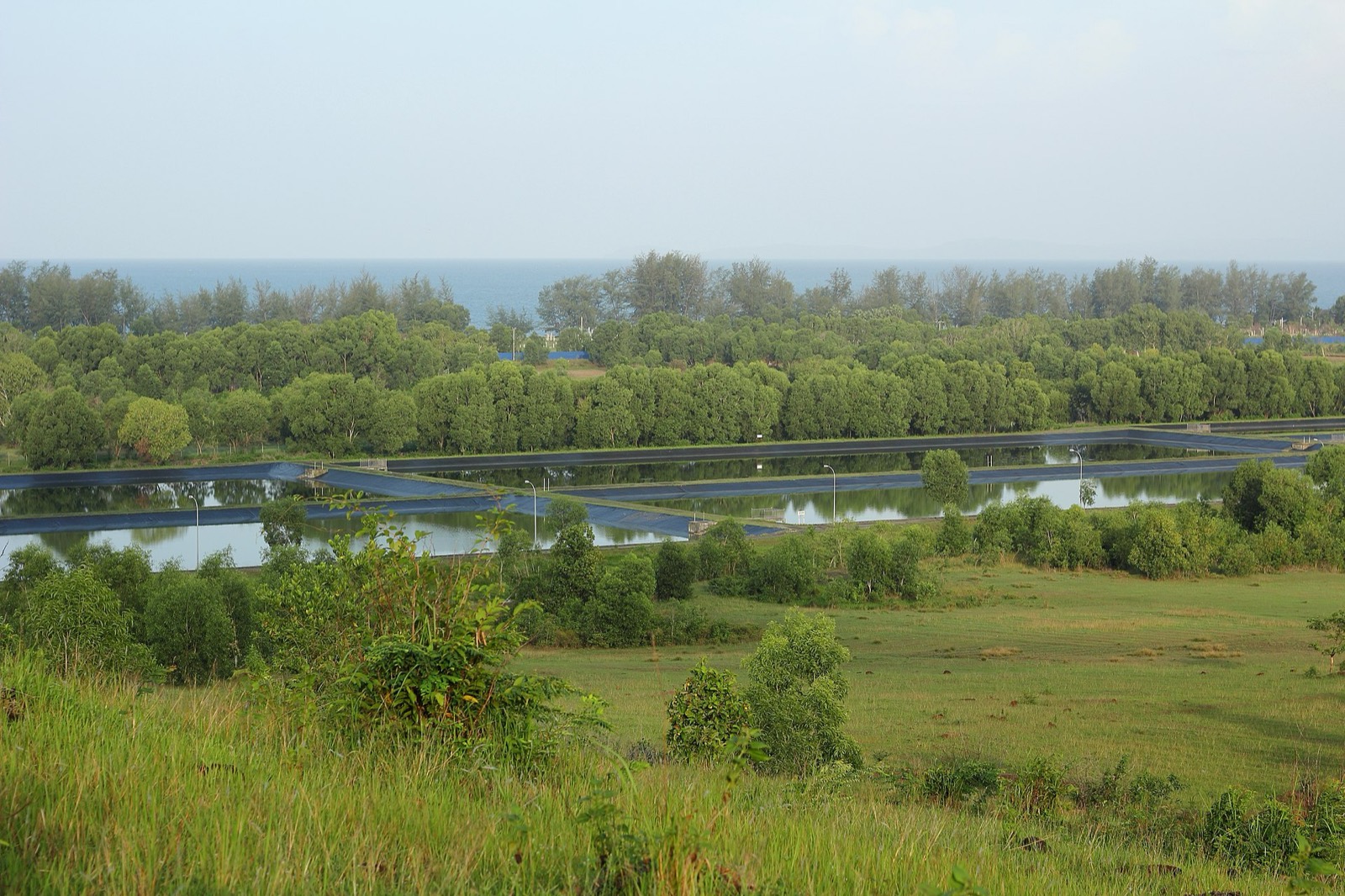
Image: Municipal & Industrial Biological Aeration Wastewater Treatment Facility