
Alternative disinfectant delivers log-4 bacterial kill within 15 minutes of contact time without forming toxic trihalomethanes or chlorinated phenols in sensitive river ecosystems.
In brief
On October 5, 2026, the International Water Association (IWA) Disinfection Specialist Group published a comparative evaluation of modern secondary wastewater disinfection practices across 80 municipal treatment utilities. Facing stringent limits on carcinogenic trihalomethanes (THMs) and total residual chlorine (TRC), over 35 municipal plants have transitioned from gaseous chlorine or sodium hypochlorite to Peracetic Acid (PAA), achieving log-4 pathogen reduction without toxic halogenated byproduct generation.
For more than a century, chlorine gas and liquid sodium hypochlorite have been the workhorses of water disinfection. While highly effective at inactivating waterborne pathogens, chlorinating wastewater has a dark environmental consequence: chlorine reacts violently with natural dissolved organic matter to create carcinogenic disinfection byproducts (DBPs).
The Ecological Danger of Trihalomethanes (THMs)
When chlorinated secondary sewage enters rivers, compounds like chloroform, bromoform, and haloacetic acids persist in the water column, poisoning fish fry and downstream municipal drinking water intakes. In response, environmental agencies worldwide have imposed near-zero Total Residual Chlorine (TRC < 0.05 mg/L) discharge limits, forcing plants to install costly dechlorination sodium bisulfite systems.
Peracetic Acid (CH3CO3H), an equilibrium mixture of acetic acid and hydrogen peroxide, is rapidly emerging as the gold standard alternative. PAA utilizes reactive oxygen species to oxidize microbial cell walls and disrupt intracellular enzymes, delivering rapid log-4 kill of E. coli and coliform bacteria within 10 to 15 minutes of contact time.
Clean Environmental Decomposition
Unlike chlorine, peracetic acid does not react with organic nitrogen or humic acids to form organohalogens. Once released into receiving rivers, any residual PAA spontaneously breaks down into harmless acetic acid (vinegar) and water in less than 45 minutes, with zero persistent chemical toxicity to aquatic life.
PAA systems require minimal capital retrofits: existing chlorine contact basins can be repurposed directly with simple liquid metering pumps, eliminating expensive pressurized gas cylinder handling hazards.
As ecological discharge standards tighten under river rejuvenation missions, peracetic acid represents a clean, sustainable evolution in modern environmental engineering.
Why it matters
Protects aquatic receiving rivers from chemical toxicity while eliminating hazardous chemical storage risks for plant operators and nearby communities.
Sources
Water Research & International Water Association Specialist Group (October 5, 2026)Read original ↗US EPA Wastewater Disinfection Alternatives Evaluation↗Rispri Labs Disinfection System Engineering & Chemical Testing↗Found an error? See the Corrections Policy.
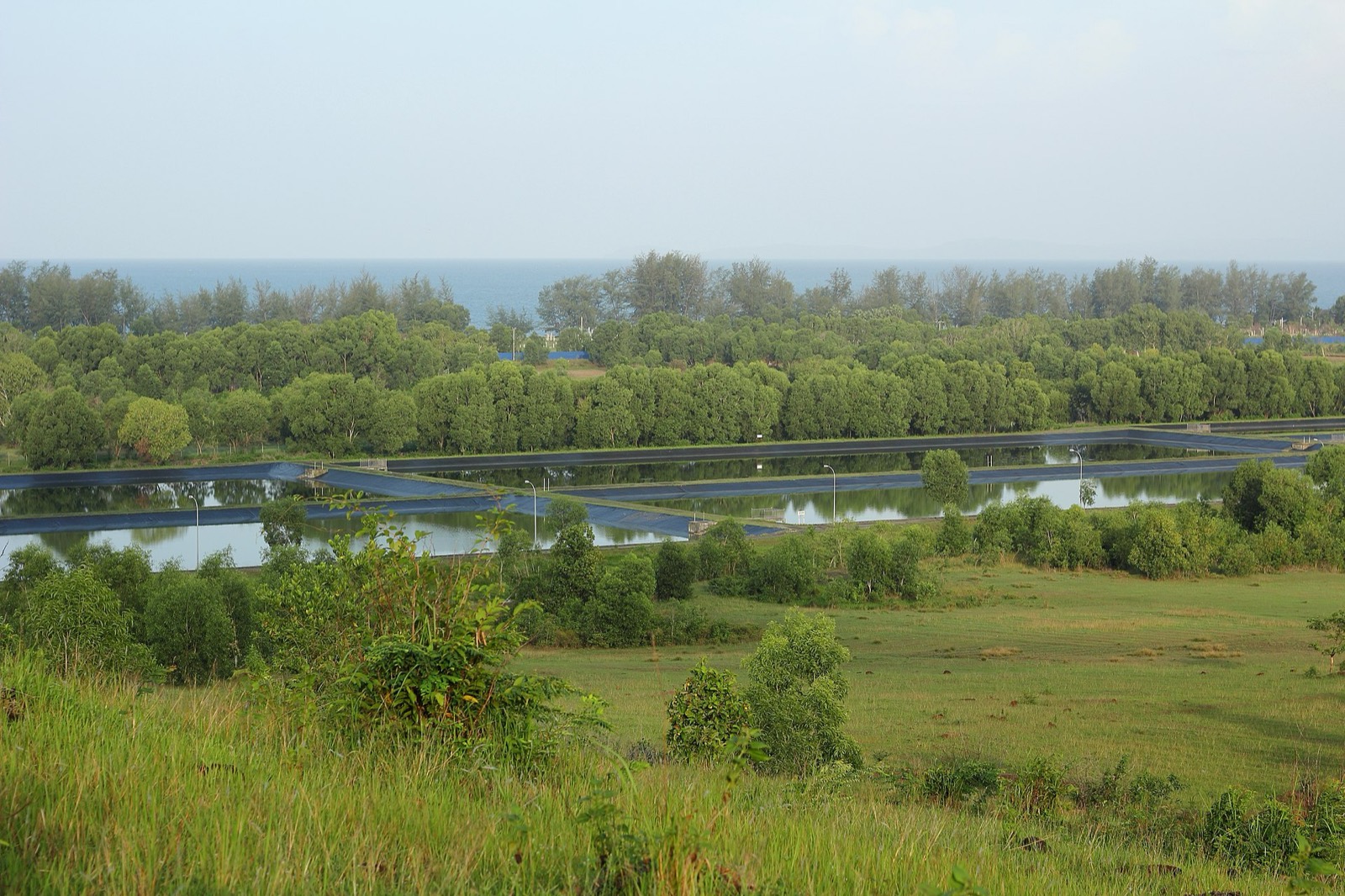
Image: Municipal & Industrial Biological Aeration Wastewater Treatment Facility