
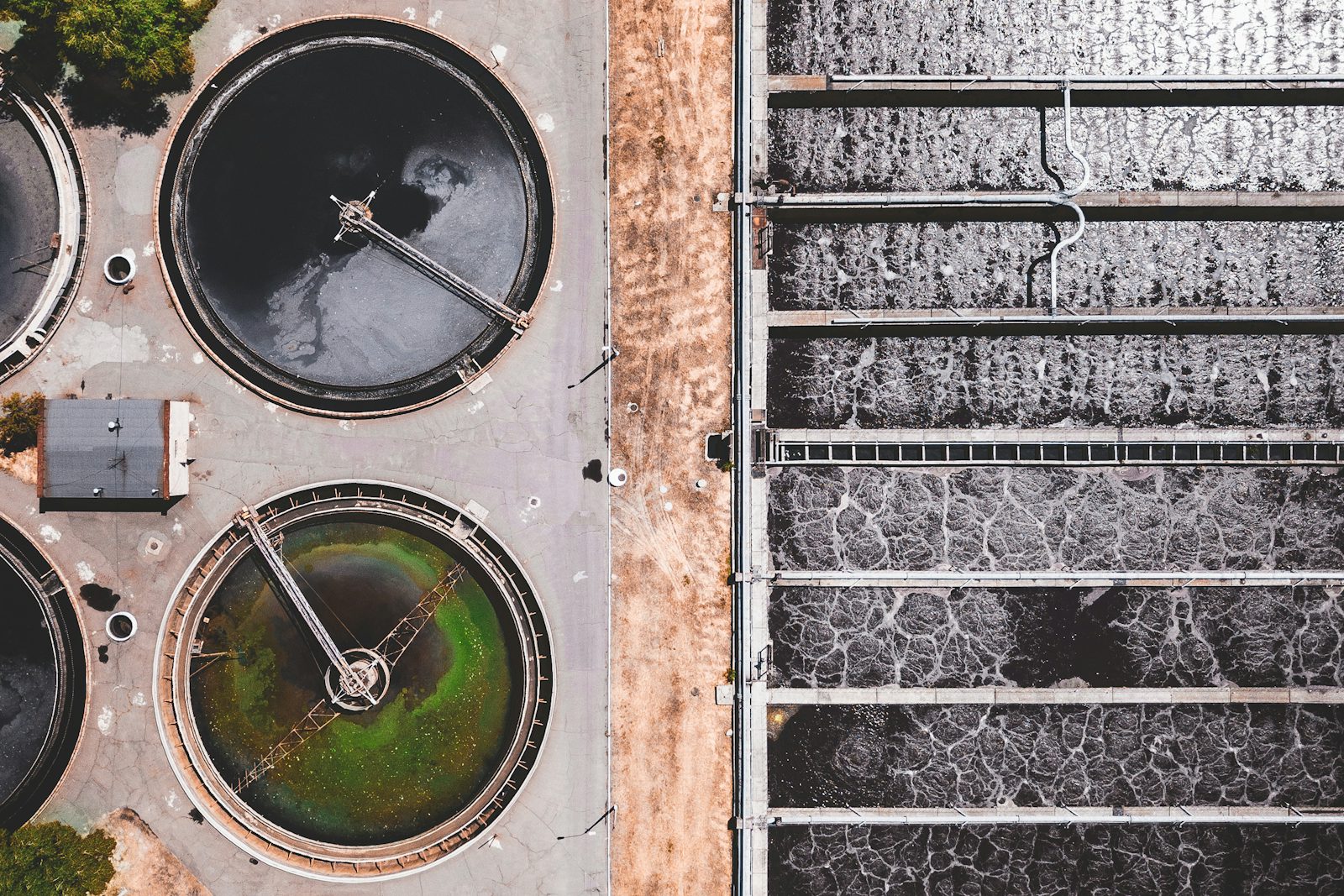
Ranchi's municipal corporation refuses to take over the Phytorid plants until JUIDCO repairs them, while Pune's PMRDA files a Rs 500 crore Mula-Mutha cleanup plan.
In brief
In an affidavit to the National Green Tribunal dated 31 October 2026, the Ranchi Municipal Corporation said all seven sewage treatment plants built under the Harmu River Rejuvenation and Conservation Project were found damaged and non-functional during a 21 July inspection. In a separate NGT case, Pune's PMRDA said it is preparing a roughly Rs 500 crore pollution-abatement project for 107 km of the Mula-Mutha river network, to be completed by August 2030.
Every sewage treatment plant built to clean up Ranchi's Harmu river is out of action. In an affidavit filed before the National Green Tribunal (NGT) and dated 31 October 2026, the Ranchi Municipal Corporation (RMC) said all seven plants were found damaged and non-functional when they were inspected on 21 July 2026 with representatives of the Jharkhand Urban Infrastructure Development Company (JUIDCO) present, Down To Earth's court digest reported on 2 November.
A handover stuck between two agencies
The plants were built under the Harmu River Rejuvenation and Conservation Project, run by the Jharkhand government with JUIDCO as executing agency. They use Phytorid technology, a constructed-wetland style process, with capacities of 1.5 to 2 MLD each to treat intercepted sewage. On 18 June 2026 JUIDCO asked the RMC to take the plants over. On 27 August the RMC replied that JUIDCO should first make them fully operational. According to the affidavit, JUIDCO has not responded. The RMC told the tribunal it is taking steps to prevent pollution and that remaining deficiencies are being addressed through ongoing remedial work.
Pune: a Rs 500 crore plan for 107 km of river
The same digest covered a reply filed on 29 October by the Pune Metropolitan Region Development Authority (PMRDA) in OA No. 214 of 2024 on Mula-Mutha river pollution. PMRDA said it is preparing a project worth about Rs 500 crore covering 107 km of the river network within its jurisdiction, with diversion of open drains and nallahs, decentralised and centralised STPs, interceptor trunk mains and in-situ ecological restoration. It has begun appointing a project management consultant, and completion is expected by August 2030. A joint committee report of 9 July 2026 had found high organic pollution and severely depleted dissolved oxygen upstream of the Pimple Nilakh crematorium, linked to untreated sewage.
The pattern behind both cases
These are affidavits and replies, not final NGT orders, but together they show a familiar problem. India keeps adding sewage treatment capacity on paper while plants sit idle because construction agencies and the bodies meant to run them disagree over who is responsible. Small nature-based plants like Phytorid units are cheap to run, but they still need desludging, plant upkeep and inlet screening. Without an owner, they fail quietly and the river keeps receiving raw sewage. Until handover terms include working performance tests and a funded operator, more capacity will not mean cleaner rivers.
Why it matters
Both filings show the same gap: sewage plants get built, but nobody runs them. A plant that is never handed over to an operator stops treating sewage, and the river pays for it.
Found an error? See the Corrections Policy.
Image: Ivan Bandura / Unsplash