
Titanium suboxide ceramic membranes function simultaneously as cross-flow filters and electrochemical anodes, shearing persistent PFAS molecules into harmless fluoride ions on-site.
In brief
On October 7, 2026, environmental engineers conducting field trials at a hazardous waste management facility in Gujarat reported the successful 1,000-hour continuous operation of a Reactive Electrochemical Membrane (REM) reactor. Utilizing conductive Magnéli-phase titanium suboxide (Ti4O7) porous tubes, the system achieved 98.4% defluorination of perfluoroalkyl substances (PFAS) in concentrated landfill leachate with 12,000 ppm TDS, avoiding the generation of toxic secondary solid waste cakes.
Landfill leachate represents one of the most toxic chemical cocktails in environmental engineering. Concentrated organic acids, high ammonia, heavy metals, and persistent per- and polyfluoroalkyl substances (PFAS) create an effluent that ruins standard biological ETPs and rapidly fouls reverse osmosis membranes.
The Crisis of 'Concentration-Only' Technologies
For years, facilities tackling PFAS had only one practical option: granular activated carbon (GAC) beds or ion exchange resins. While these materials capture PFAS, they do not destroy the molecules. When the carbon saturates, facilities are left with tons of hazardous spent carbon that must be trucked away and incinerated at temperatures exceeding 1,100°C—at massive expense and severe air pollution risk.
Reactive Electrochemical Membranes (REMs) fundamentally alter the physical process. Engineered from porous ceramic Magnéli-phase titanium suboxide (Ti4O7), the membrane tubes conduct electricity like metal while providing sub-micron physical filtration. As contaminated water is forced through the pore matrix under 3 bar pressure, an electric potential of 3.2 V generates an intense cloud of hydroxyl radicals (•OH) directly on the pore walls.
Molecular Shearing of the Carbon-Fluorine Bond
The localized electric field cleaves the ultra-strong carbon-fluorine bonds (485 kJ/mol), converting perfluorooctane sulfonate (PFOS) and perfluorooctanoic acid (PFOA) into harmless fluoride ions, water, and trace carbon dioxide. In 1,000 hours of continuous leachate processing, the system operated with zero chemical addition and zero secondary solid waste.
The energy consumption of the REM reactor clocked in at 14.2 kWh per cubic meter of treated leachate—far cheaper than the logistical and environmental cost of off-site hazardous incineration.
With the Central Pollution Control Board preparing comprehensive guidelines on hazardous landfill leachate treatment, electrochemical mineralization is poised to become the industry benchmark for forever chemical remediation.
Why it matters
Solves the primary crisis of modern PFAS remediation by mineralizing the molecules into harmless inorganic fluoride rather than merely concentrating them on carbon filters for hazardous disposal.
Sources
Environmental Science & Technology (ES&T) & Industrial Pilot Trial Report (October 7, 2026)Read original ↗US EPA PFAS Remediation Research Database↗Rispri Labs Hazardous Effluent & Leachate Treatment Solutions↗Found an error? See the Corrections Policy.
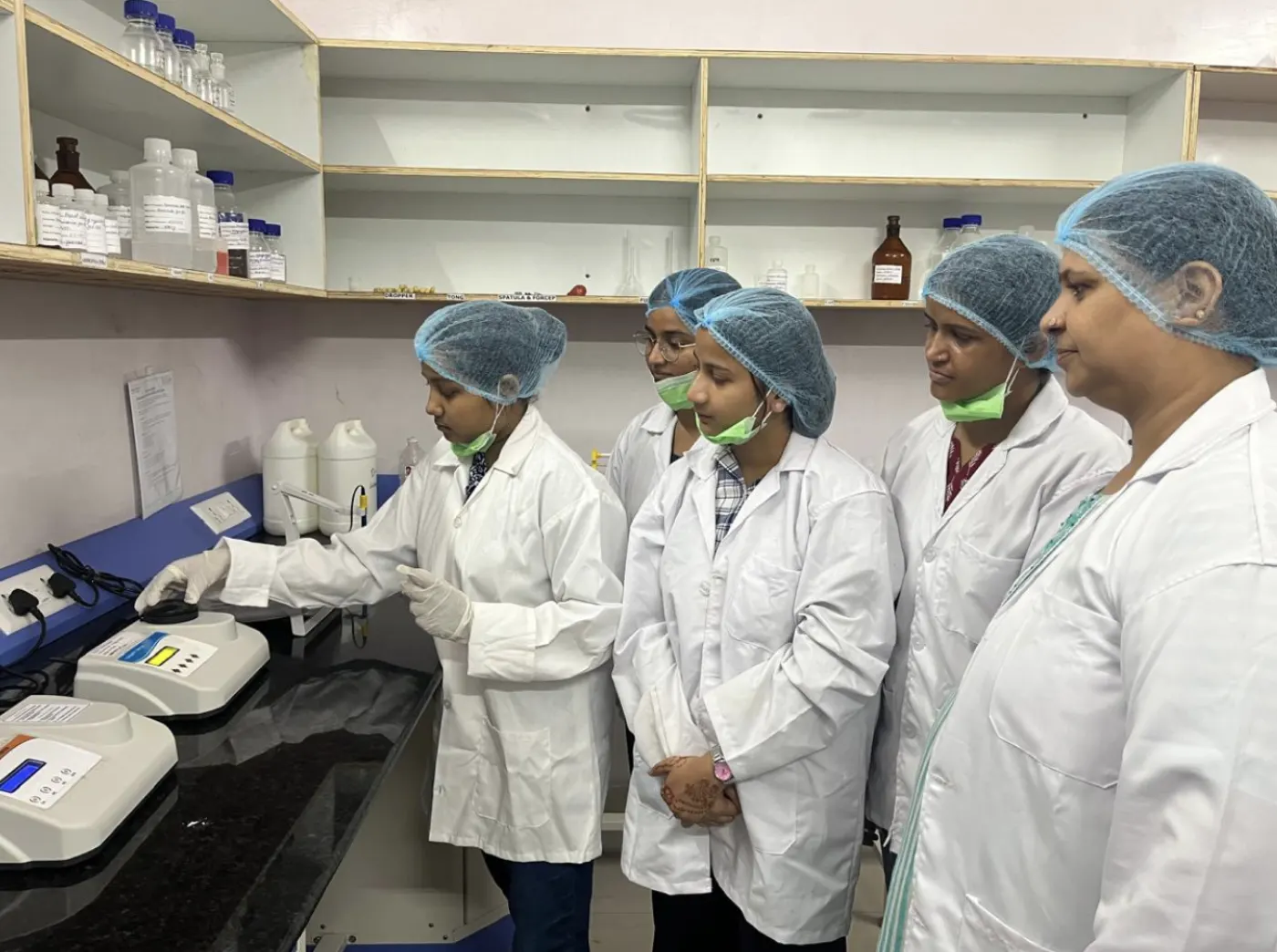
Image: Analytical Water Chemistry & Certified NABL Testing Laboratory (Rispri Labs)