
Magnéli-phase ceramic anodes produce localized hydroxyl radicals that shear refractory fluorinated surfactants into inert fluoride ions without creating secondary solid waste.
In brief
On September 30, 2026, researchers at the Indian Institute of Technology (IIT) Madras in collaboration with industrial surface finishing partners demonstrated the continuous electrochemical mineralization of short-chain PFAS (PFBS, PFHxA) in electroplating washwater. Utilizing porous Magnéli-phase titanium suboxide (Ti4O7) ceramic electrodes, the reactor achieved 99.1% defluorination within 45 minutes of residence time, permanently converting fluorinated surfactants into harmless fluoride ions and CO2.
In chrome plating and aerospace metal finishing, fluorinated surfactants (such as PFOS and 6:2 FTSA) are extensively utilized as chemical mist suppressants to prevent dangerous hexavalent chromium aerosol vapors from escaping plating baths. However, when rinse tanks are emptied, these persistent surfactants enter the effluent, resisting all conventional biological and chemical treatment.
The Challenge of Short-Chain Replacements
When regulators restricted legacy long-chain PFOS, chemical manufacturers introduced short-chain substitutes (perfluorobutane sulfonate - PFBS and perfluorohexanoic acid - PFHxA). Unfortunately, short-chain molecules are even harder to remediate: they break through granular activated carbon filters three times faster and resist standard advanced oxidation processes.
The newly developed reactor utilizes Magnéli-phase titanium suboxide (Ti4O7) ceramics. Unlike standard titanium that forms non-conductive oxide layers, Ti4O7 has a unique distorted crystalline structure that conducts electricity like metal while maintaining a massive oxygen evolution potential (2.7 V vs SHE), generating dense clouds of unselective hydroxyl radicals (•OH).
Zero Hazardous Solid Waste Manifests
As rinse water passes through the porous electrode matrix, direct electron transfer at the anode surface tears electrons from the perfluorinated carboxylate heads, triggering spontaneous decarboxylation and sequential fluoride cleavage. The effluent exits with PFAS levels below 2 parts per trillion, generating zero spent filter cakes.
Energy consumption clocked in at 11.8 kWh per cubic meter of plating rinse water, making on-site destruction economically viable for medium-scale job-shop platers.
Electrochemical mineralization is moving rapidly from laboratory curiosity into frontline industrial deployment, offering permanent solutions to global forever chemical contamination.
Why it matters
Provides electroplating and metal finishing facilities with a compact, cost-effective on-site destructive treatment method that bypasses the need for expensive hazardous carbon incineration.
Sources
Chemical Engineering Journal & IIT Madras Field Trial Archive (September 30, 2026)Read original ↗IIT Madras Department of Chemical Engineering Research Archive↗Rispri Labs Electrochemical Oxidation & ETP Design Engineering↗Found an error? See the Corrections Policy.
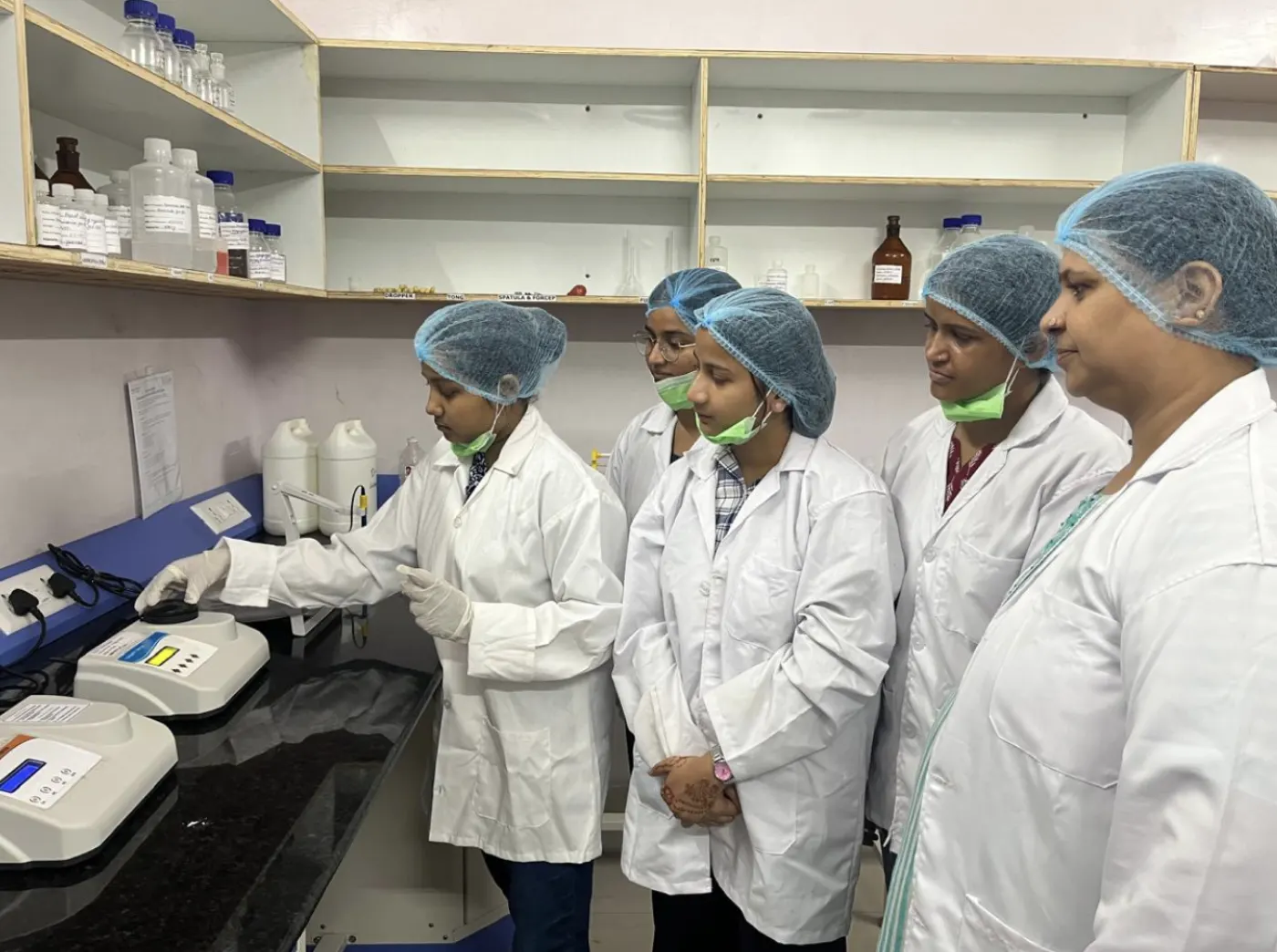
Image: Analytical Water Chemistry & Certified NABL Testing Laboratory (Rispri Labs)