
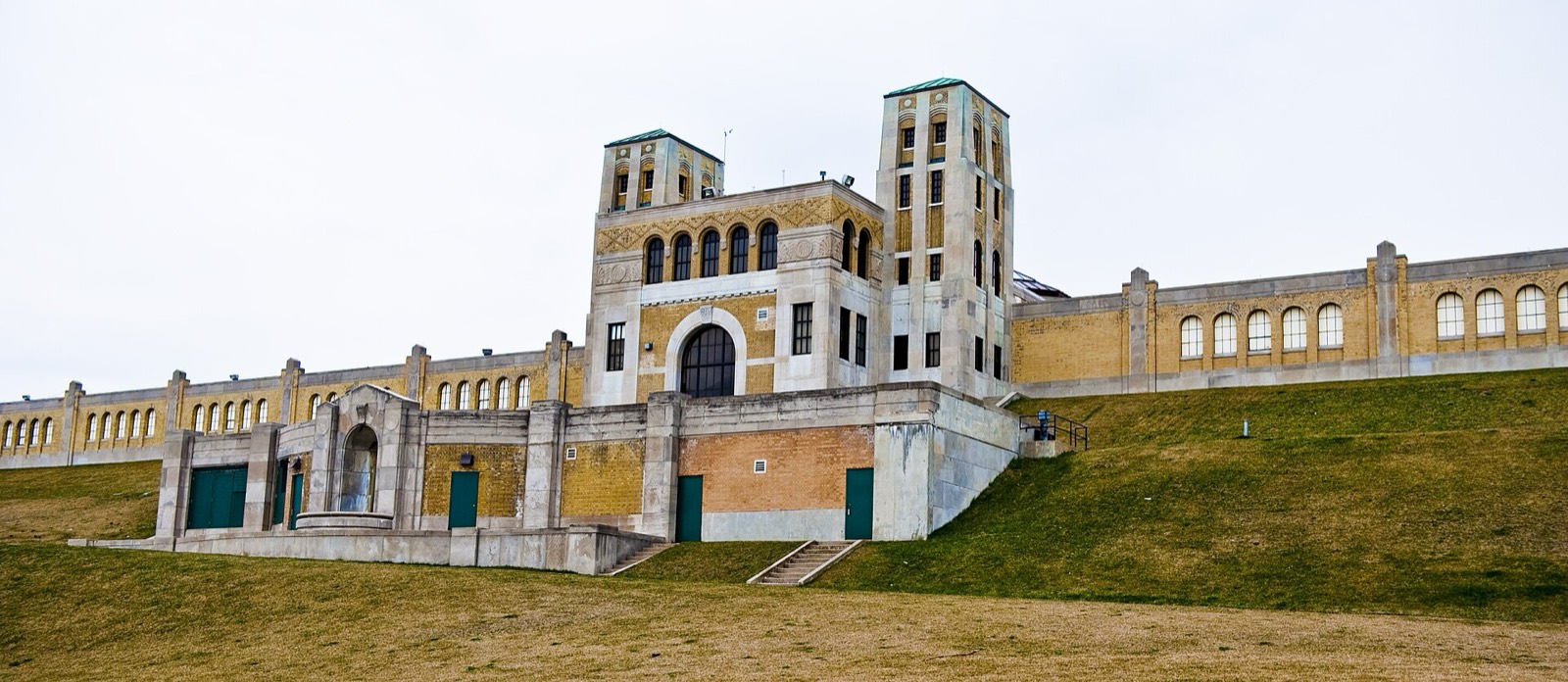
Permanent IoT vibration loggers deployed across municipal distribution networks correlate pipe wall vibrations to pinpoint sub-surface leaks before catastrophic burst events.
In brief
Municipal water utility audits published on October 14, 2026, across London, Tokyo, and Mumbai show that permanent IoT acoustic leak loggers combined with machine-learning signal processing cut Non-Revenue Water (NRW) by 32.5%. The smart monitoring arrays identify hidden underground pipe fissures as small as 0.1 liters/second within 48 hours, preventing street cave-ins and saving millions of cubic meters of treated water.
Urban water distribution utilities globally lose between 25% and 50% of their treated drinking water to unmonitored underground leaks and main breaks, squandering billions in energy, chemical treatment, and raw water resources. The SWAN benchmark report demonstrates how modern acoustic sensor arrays and artificial intelligence solve this challenge.
Acoustic Cross-Correlation and Hydrodynamic Modeling
Magnetic IoT vibration sensors attached to pipe valves, fire hydrants, and service connections record high-frequency acoustic signatures during late-night hours when background city noise is minimal. Cloud AI algorithms cross-correlate acoustic arrival times between adjacent sensors, filtering out consumer taps and pumps to calculate the exact spatial coordinates of hidden pipe cracks.
The system also incorporates high-speed pressure transient sensors that detect hydraulic shock waves ('water hammer') caused by valve slamming or sudden pump shutdowns, allowing operators to modulate automated pressure reducing valves (PRVs) before pipes fatigue and rupture.
Utilities deploying acoustic sensor arrays report a full capital payback within 14 months purely through recovered non-revenue water sales and avoided emergency excavation costs.
Smart water infrastructure retrofits are increasingly being integrated into national urban renewal missions across fast-growing emerging economies.
Why it matters
Provides a cost-effective, non-destructive technology to stop massive distribution leakages in aging urban pipe networks without having to dig up entire city streets.
Sources
Smart Water Networks Forum (SWAN) Global Deployment Benchmark (October 14, 2026)Read original ↗SWAN Forum Global Leakage Management and Smart Networks↗Rispri Labs Industrial & Municipal Water Auditing Services↗Found an error? See the Corrections Policy.
Image: Municipal Water Filtration Works & Urban Pumping Infrastructure