
Joint inspection teams deploy electromagnetic geophysical subsurface scanners, sealing illegal deep disposal shafts and initiating criminal prosecutions under the Water Act 1974.
In brief
State environmental enforcement taskforces across Gujarat, Maharashtra, and Tamil Nadu coordinated multi-point raids on October 19, 2026, targeting industrial chemical and dyeing units suspected of illegal subsurface effluent injection. Using electromagnetic geophysics and trace dye logging, inspectors sealed 18 unauthorized reverse-injection borewells and filed criminal charges against defaulting factory promoters.
A coordinated regulatory crackdown on illegal groundwater contamination unfolded across several major chemical and textile manufacturing hubs on October 19, 2026. Environmental enforcement flying squads, backed by district administrations, targeted industrial units engaged in clandestine deep-well disposal of untreated toxic effluent.
Detection via Subsurface Geophysical Profiling
Industrial offenders frequently conceal high-pressure injection lines inside abandoned factory borewells or beneath concrete shop floors to avoid treatment costs in CETP or ZLD facilities. To overcome physical concealment, regulatory taskforces utilized electrical resistivity tomography (ERT) and electromagnetic induction scanners to trace high-conductivity ionic plumes originating directly from factory compounds.
Laboratory analysis of water retrieved from the compromised aquifers revealed heavy concentrations of refractory COD, aromatic amines, hexavalent chromium, and organophosphates exceeding statutory drinking limits by over 400 times.
The Ministry of Environment has directed SPCBs to invoke non-bailable criminal provisions under Sections 41 and 43 of the Water (Prevention and Control of Pollution) Act 1974, accompanied by permanent disconnection of power and water utilities.
Industrial associations have issued urgent compliance advisories urging all tenant units in industrial estates to maintain transparent mass balances and verify that effluent conveyance lines are fully above-ground and inspectable.
Why it matters
Demonstrates zero-tolerance regulatory action against rogue industrial disposal tactics that permanently poison regional drinking water aquifers and bypass effluent monitoring networks.
Sources
Central Pollution Control Board & State Enforcement Directorate (October 19, 2026)Read original ↗CPCB Guidelines on Groundwater Protection from Industrial Contamination↗Rispri Labs Statutory Environmental Audit & ZLD Compliance Verification↗Found an error? See the Corrections Policy.
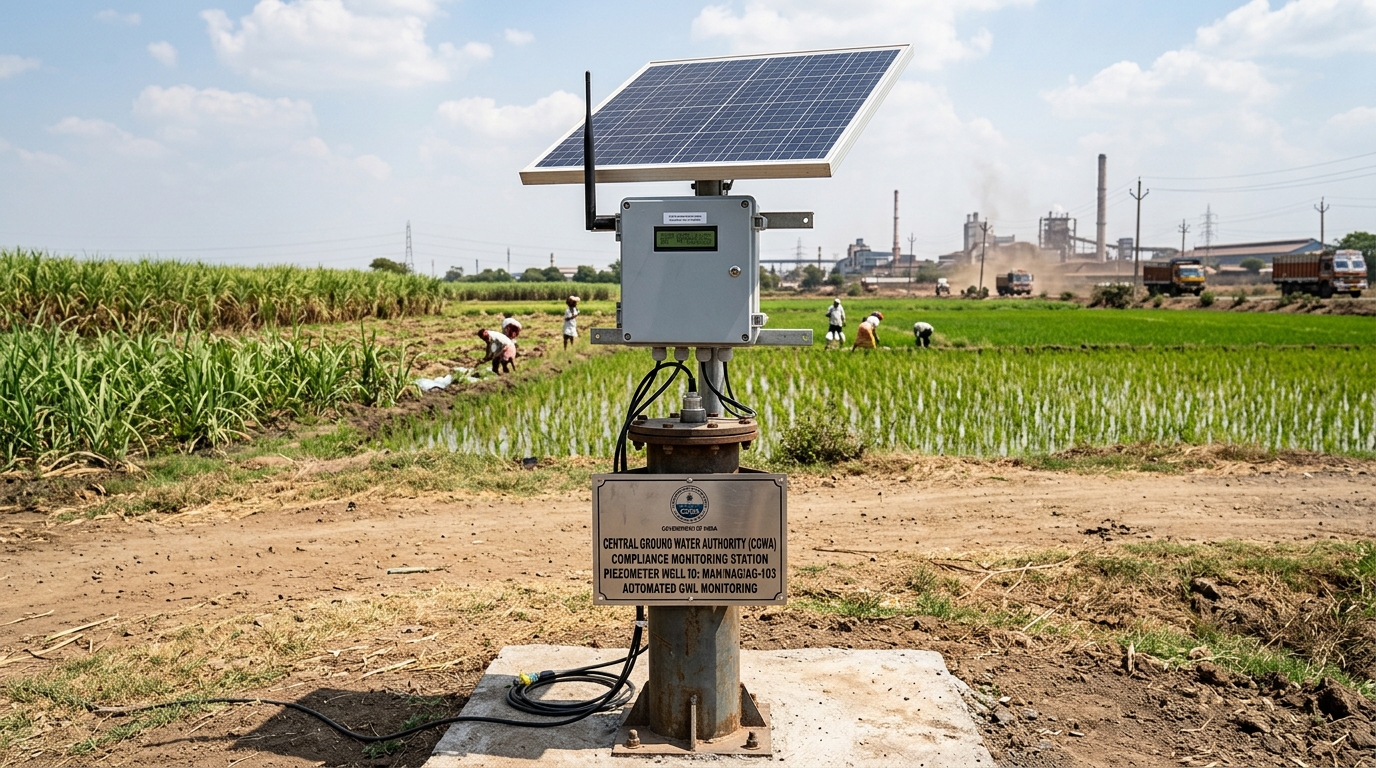
Image: Automated Digital Piezometer & Real-Time IoT Groundwater Monitoring Station