
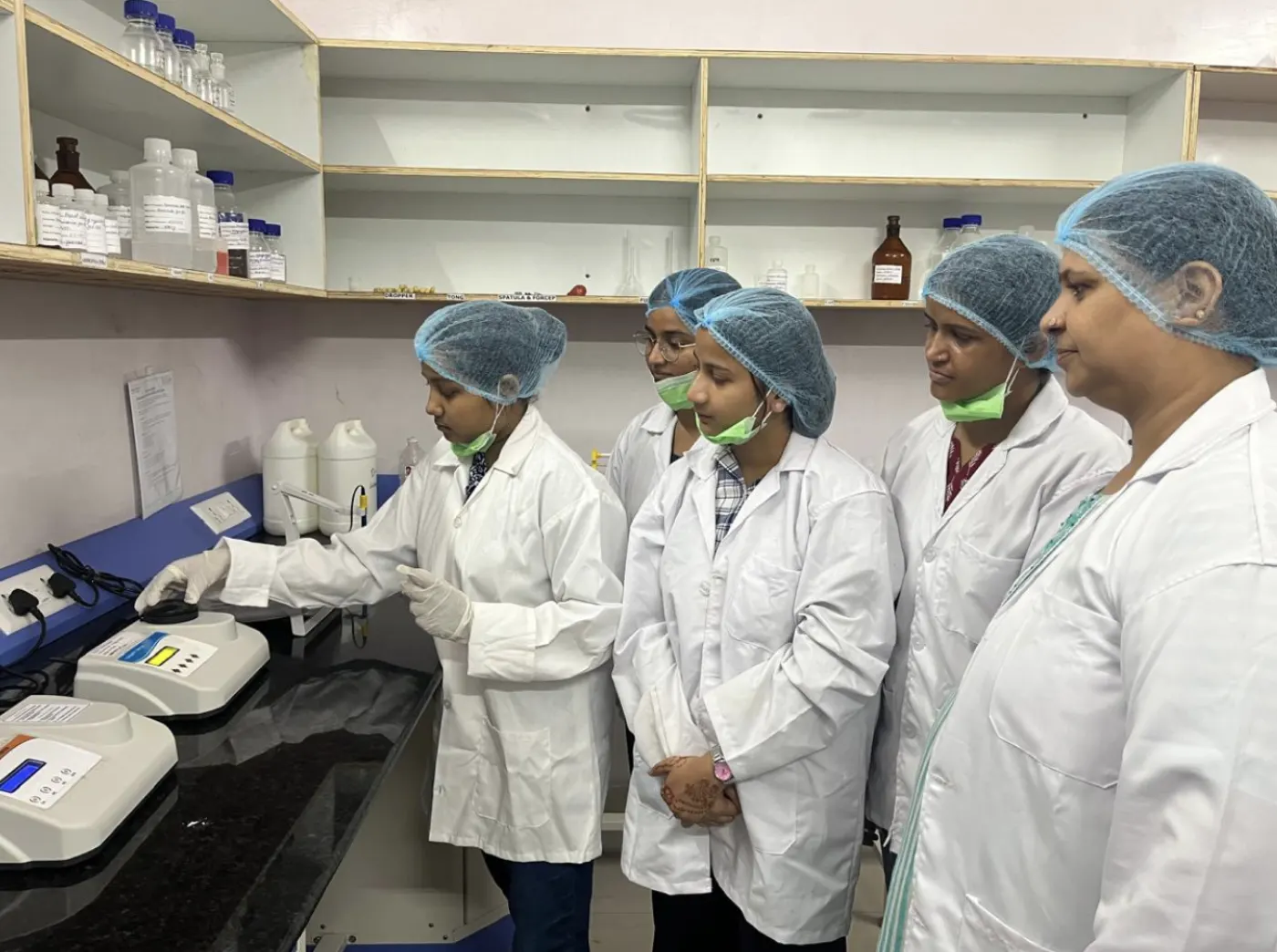
Physical inspection squads test optical COD/BOD probes against NABL wet-chemistry standards to eliminate fraudulent baseline zero-drift offsets.
In brief
On October 1, 2026, synchronized regulatory inspection task forces across Maharashtra (MPCB), Gujarat (GPCB), and Telangana (TGPCB) kicked off surprise calibration audits targeting over 1,200 industrial pharmaceutical and textile manufacturing units equipped with Continuous Online Effluent Monitoring Systems (OCEMS). Squads are collecting physical split samples to verify that online data streams match actual physical effluent parameters within statutory ±10% tolerance bands.
Continuous Online Effluent Monitoring Systems (OCEMS) were designed to provide transparent, real-time data on industrial wastewater quality. However, a growing gap between pristine online dashboard numbers and contaminated physical river conditions prompted state environmental regulators to launch coordinated nationwide audits.
The 'Software Offset' Manipulation Discovery
In preliminary investigative sweeps, forensic software audits revealed that rogue vendors had installed customized telemetry middleware capable of applying artificial scaling factors. If a physical optical spectrophotometer measured COD at 600 mg/L, the software logger automatically compressed the number down to 220 mg/L before uploading it to state servers.
During the synchronized October drive, inspection squads take physical samples from plant V-notch discharge sumps and run immediate split-tests against certified reference standards. Any discrepancy exceeding ±10% triggers immediate equipment confiscation and statutory show-cause notices.
Tamper-Evident Physical Verification
Inspectors are also verifying physical sensor installation: ensuring optical lenses are free of biofouling grease, flowmeters have unbroken serialized lead seals, and sample intake pipes are submerged in actual effluent channels rather than clean tap water dilution sumps.
Plant managers should conduct weekly physical cleanings of optical sensor windows using dilute isopropyl alcohol and document calibration logs signed by certified instrumentation engineers.
The joint audit makes clear that environmental compliance must exist physically on the plant floor, not merely as an artificial software simulation on a regulatory computer screen.
Why it matters
Restores integrity to national automated pollution monitoring networks by identifying and penalizing facilities utilizing software offset patches to mask discharge violations.
Sources
Inter-State Pollution Control Board Coordination Committee (October 1, 2026)Read original ↗State Pollution Control Board Environmental Audit Circular↗Rispri Labs OCEMS Calibration & Third-Party Audit Verification↗Found an error? See the Corrections Policy.
Image: Analytical Water Chemistry & Certified NABL Testing Laboratory (Rispri Labs)