
Federal regulator withdraws advisory permitting guidance to replace fragmented state limits with legally binding discharge bans across chemical, plastics, and metal-finishing sectors.
In brief
On September 14, 2026, the US Environmental Protection Agency formally rescinded its December 2022 memorandum on addressing PFAS in National Pollutant Discharge Elimination System (NPDES) permits. The agency stated that nonbinding state recommendations are being retired in preparation for national, enforceable Effluent Limitations Guidelines (ELGs) that establish strict numeric limits for Organic Chemicals, Plastics, and Synthetic Fibers (OCPSF) manufacturers.
The US Environmental Protection Agency has rescinded its landmark 2022 memorandum that advised state permitting authorities on how to use discretionary tools to monitor PFAS in industrial wastewater permits.
Transitioning from Advisory Language to Binding Federal ELGs
The EPA explained that the advisory guidance had created a fragmented patchwork of state-level standards, allowing industrial facilities in some jurisdictions to discharge PFAS without enforceable numeric limitations. The rescission clears the path for categorical Effluent Limitations Guidelines (ELGs) under Clean Water Act Section 304(b).
Targeting Chemical Manufacturers and Metal Finishers
The upcoming binding rules will require direct and indirect industrial dischargers in chemical manufacturing, semiconductor fabrication, and chrome plating to install Best Available Technology Economically Achievable (BAT)—such as granular activated carbon, ion exchange, and destructive oxidation—prior to effluent discharge.
Why it matters
Signals the end of voluntary PFAS monitoring in industrial wastewater, moving US manufacturing toward mandatory pre-treatment and thermal/electrochemical destruction technologies.
Sources
US Environmental Protection Agency Office of Water Regulatory Notice (September 14, 2026)Read original ↗EPA PFAS Strategic Roadmap Progress Reports↗Rispri Labs Industrial Wastewater Testing & Compliance Services↗Found an error? See the Corrections Policy.
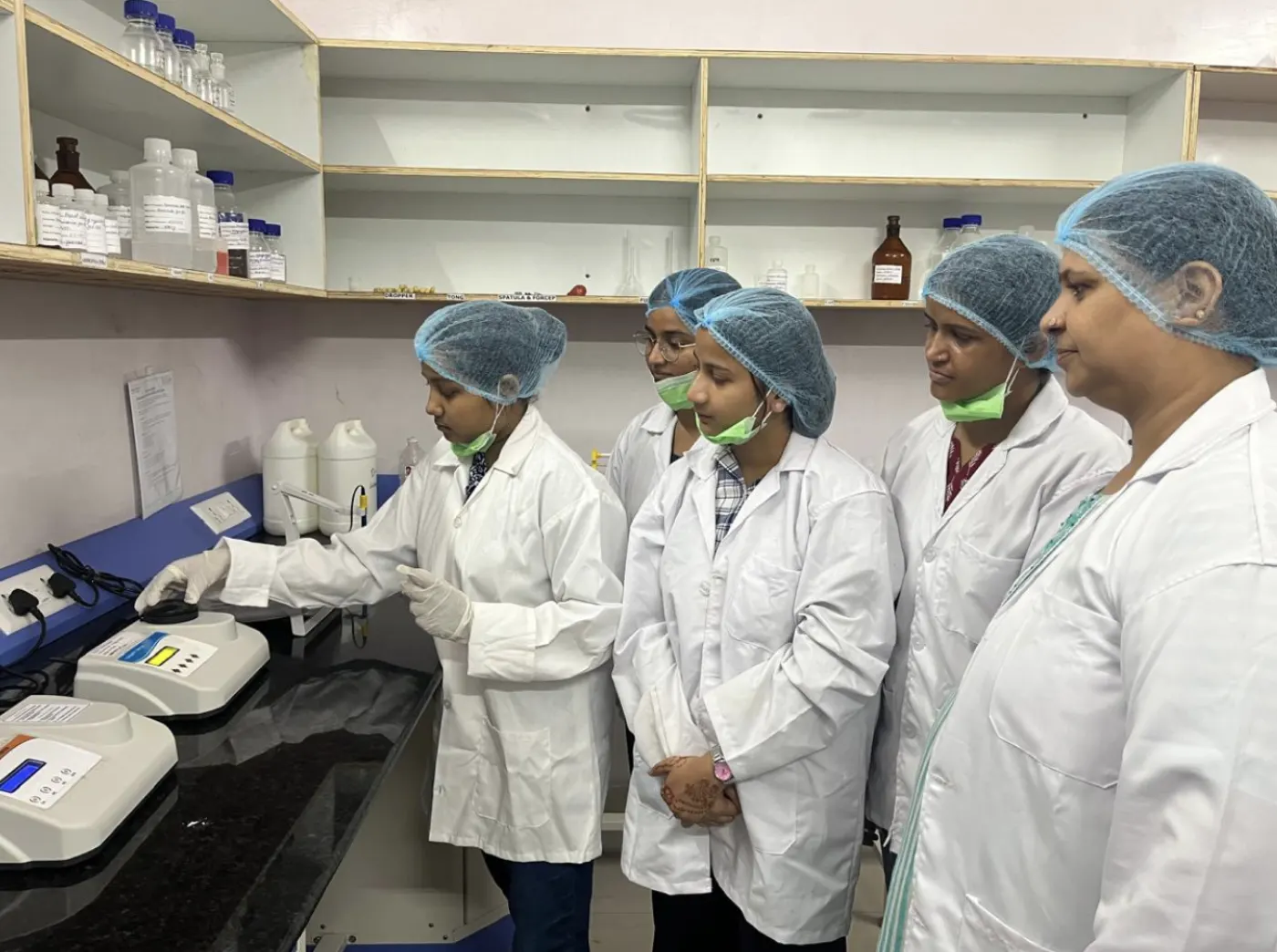
Image: Analytical Water Chemistry & Certified NABL Testing Laboratory (Rispri Labs)