
Under the Court's 4 November Yamuna order, treatment plants must fit smart meters and continuous sensors, and a data gap of more than 24 hours counts as evidence the plant was not running.
In brief
Reports and a Down To Earth court digest published on 16 and 18 November 2026 describe the monitoring directions in the Supreme Court's 4 November order on Yamuna pollution. Sewage treatment plants, common effluent treatment plants and government-commissioned biogas plants must install tamper-proof smart energy meters within one month, and treatment plants must upload live readings to the websites of the Central and State pollution control bodies.
The Supreme Court's 4 November 2026 order on Yamuna pollution is already known for its demand for a named official at every sewage plant and major drain. A second part of the same order, set out in a Down To Earth court digest on 18 November and in LiveLaw's report of 16 November, deals with something plant operators will feel more directly: proof that the plant is actually working. The bench of Justices Manoj Misra and Manmohan wants that proof to come from instruments, not from occasional visits.
What plants must install
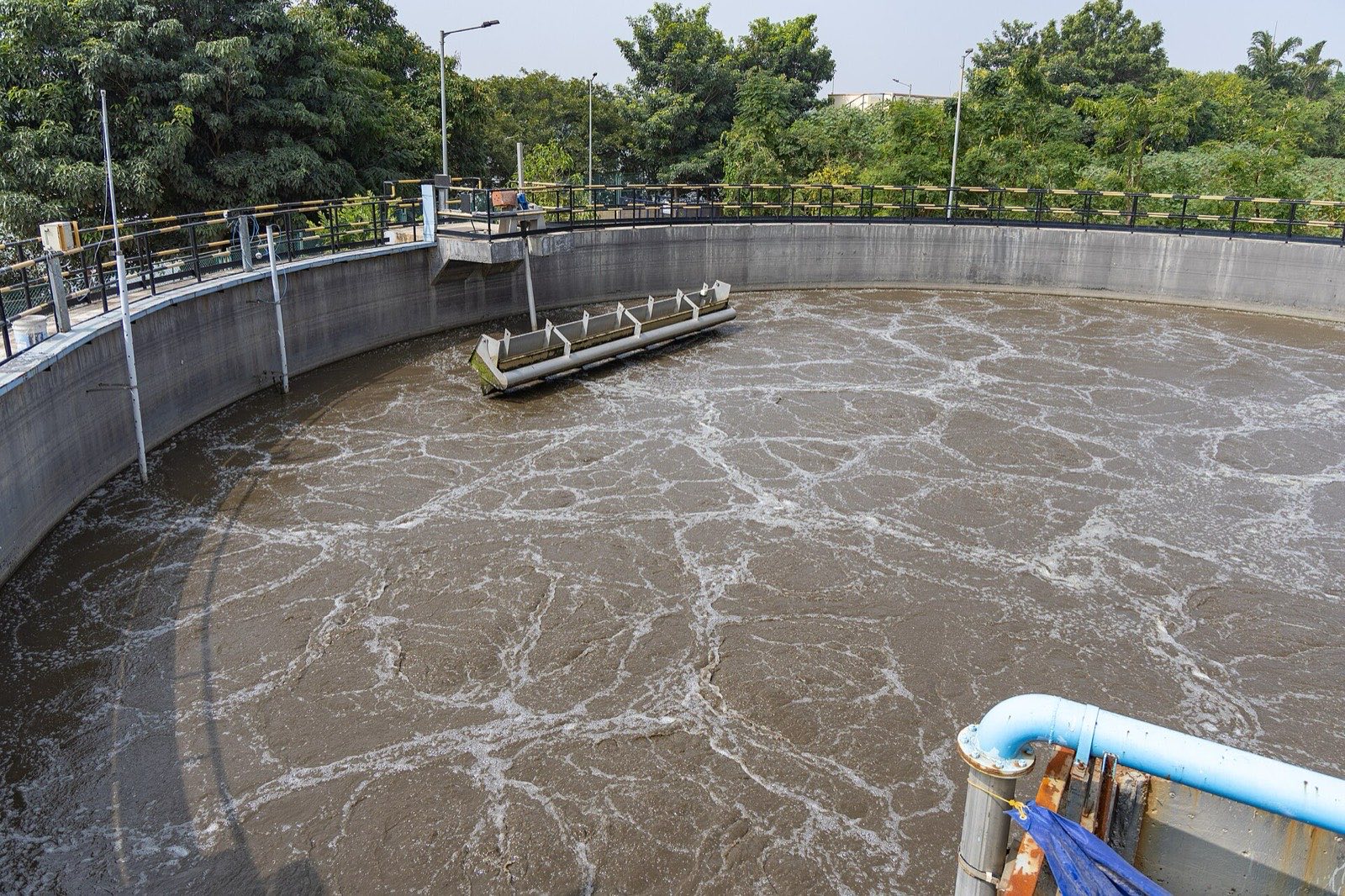
According to the digest, existing sewage treatment plants (STPs), common effluent treatment plants (CETPs) and government-commissioned biogas plants must fit tamper-proof smart energy meters within one month. STPs and CETPs must also fit flow meters at the inlet and the outlet, plus continuous sensors for pH, BOD, COD, total suspended solids and ammoniacal nitrogen. Faecal coliform must be tested weekly in accredited laboratories. Biogas plants must record the waste they receive and the gas they produce.
Live data, and the 24-hour rule
Readings must be uploaded live to the websites of the Central Pollution Control Board (CPCB) and the State Pollution Control Board or Pollution Control Committee. Meters must be calibrated every year. The digest says a break in data transmission lasting more than 24 hours will count as evidence that the plant was not operating, unless the operator can prove otherwise. For a plant with a loose cable or a dead modem, that turns a technical fault into a compliance question.
Checks and penalties
LiveLaw reports that CPCB is to carry out quarterly surprise inspections, that environmental compensation can be recovered for each day of non-compliance, and that entities must allow unannounced inspections, surprise sampling and sensor verification at any hour. CPCB has been asked to suggest the compensation formula; no amount has been fixed yet. The digest adds that the Delhi Pollution Control Committee is installing real-time water quality stations along the Yamuna and its major Delhi drains, and that other states must set up similar stations and share the data with CPCB.
What to check at your plant
The digest and the LiveLaw excerpt are summaries, and the full order should be read for exact wording and any exemptions before a plant acts on it. Even so, the direction is clear. Operators should check whether flow at the inlet and outlet is measured, whether the sensors for the listed parameters exist and are calibrated, and whether data reaches the regulator's server without breaks longer than a day, with a log to show why if it does.
The next hearing in the matter is on 13 January 2027, as reported in the earlier Water Channel article on this order.
Why it matters
Until now a plant's performance has largely been judged on periodic samples. The Court is moving the test to a continuous record that anyone can check, and it puts the burden on the operator: if the data stops for more than a day, the operator must show the plant was running.
Sources
Down To Earth: Daily Court Digest, Major environment orders (18 November 2026)Read original ↗LiveLaw: Despite huge sums spent on cleaning Yamuna, pollution has only increased, Supreme Court warns penalties on States, UTs (16 November 2026)↗The main source was published on 18 November 2026.
Found an error? See the Corrections Policy.