
ZLD just became non - negotiable for five major industrial sectors.
In brief
For textile units, distilleries, tanneries, thermal power plants and sugar mills operating in critically polluted areas, ZLD is no longer a voluntary sustainability commitment - CPCB and State Pollution Control Boards now enforce it as a hard discharge requirement with no external outfall permitted.
Zero Liquid Discharge means exactly what it says: nothing leaves the site as treated effluent. Every drop of process water is recovered and reused, with no external outfall - no pipe, no drain, no discharge into a river or municipal sewer, treated or otherwise.
Which sectors, and where
CPCB has moved distilleries, pharmaceutical API manufacturers, textile processing units, tanneries, and thermal power and sugar plants operating in critically polluted areas from "encouraged" to "required." Saurashtra in Gujarat is a frequently cited example of a critically polluted, water - stressed region where this enforcement has been particularly assertive - but the classification applies wherever CPCB has designated an area as critically polluted, not to any single state.
The legal basis
This isn't guidance - level policy. ZLD enforcement is backed by the Water (Prevention and Control of Pollution) Act, 1974 and the Environment Protection Act, 1986 - meaning non - compliance carries the same statutory weight as any other pollution - control violation: penalties, NOC rejection, and potential shutdown.
What ZLD actually requires on the ground
Getting to zero discharge isn't a single unit process - it's a treatment train: reverse osmosis to concentrate the effluent, followed by evaporators and crystallizers to drive off the remaining water and leave a solid residue. It's capital - intensive and energy - intensive, which is exactly why CPCB frames it as mandatory rather than trusting voluntary adoption in the sectors where the pollution load is highest.
The Saurashtra example is worth remembering less as a one-off crackdown and more as a preview: CPCB's enforcement pattern in critically polluted, water-stressed regions tends to arrive first where the pollution load and water stress are both highest, then generalise outward. For distilleries, tanneries and textile units elsewhere, the honest question isn't whether ZLD becomes mandatory in their area too, but when.
Why it matters
Any plant in one of these sectors sitting inside a CPCB - classified critically polluted area should treat ZLD retrofit planning as a compliance deadline, not a future upgrade.
Found an error? See the Corrections Policy.
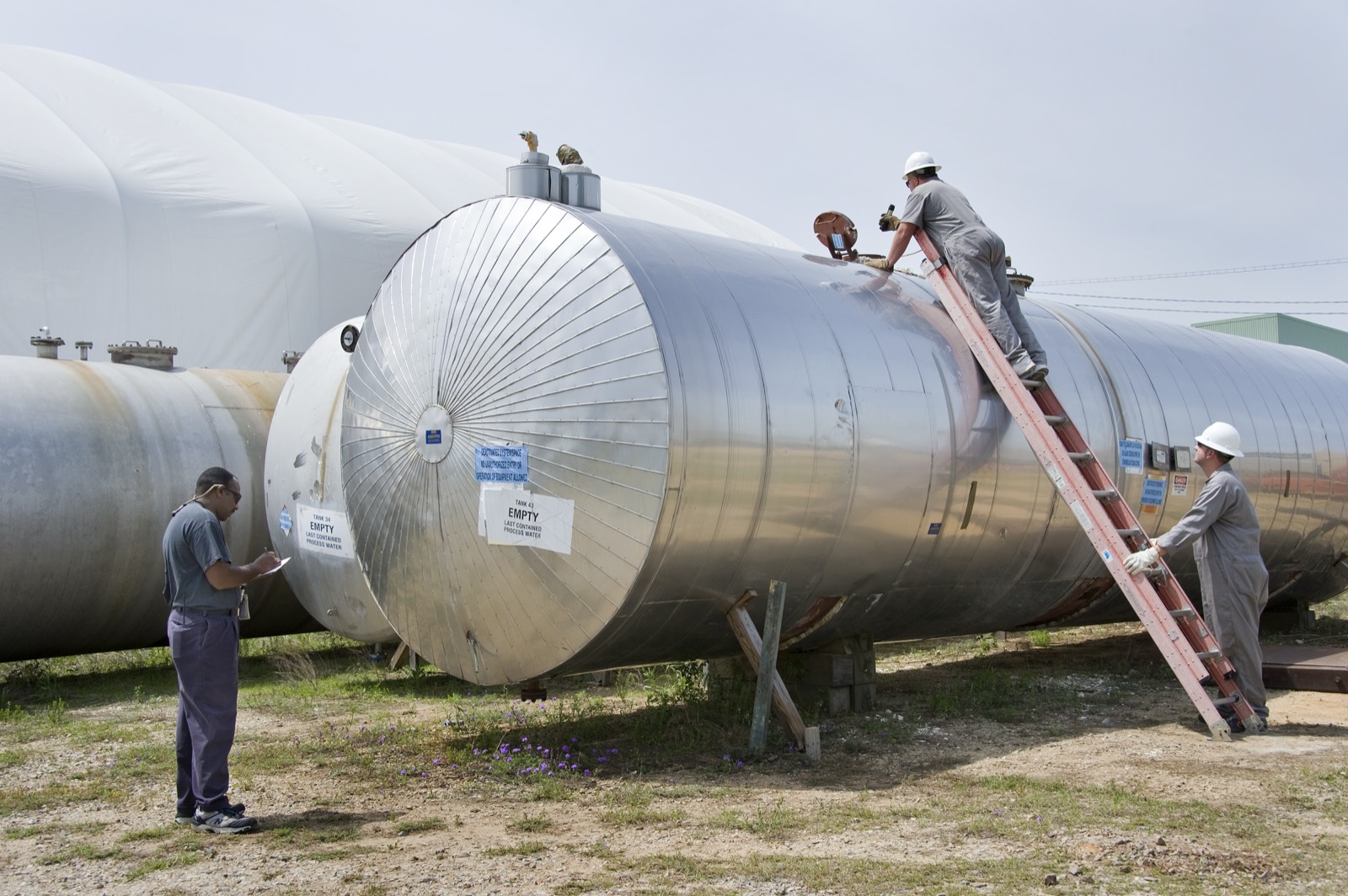
Image: Industrial Chemical Processing & Zero Liquid Discharge Facility